 News
News
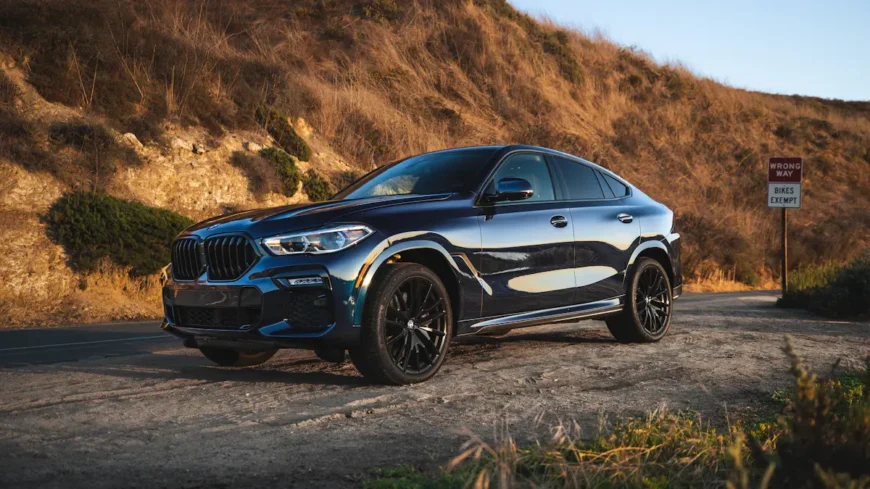
BMW X6 2.0: Specs, Price, Features & Full Review
The BMW X6 2.0 stands out in the luxury coupe SUV class with its turbocharged engine, advanced technology, and bold design. This model comes with a starting price of $78,750 and offers strong performance, reaching 0-60 mph in just 5.2 seconds. The following table highlights the main specs:
| Specification | Details |
|---|---|
| Engine | 3.0-liter turbocharged inline-6 |
| Horsepower | 375 hp at 5,200 rpm |
| Torque | 398 lb-ft at 1,800 rpm |
| Fuel Economy | 23 city / 27 highway mpg |
The x6 2.0 is ideal for drivers who want a blend of style, comfort, and power. Unique features such as curved display screens and premium upholstery set the x6 apart from its rivals. This review explains how the bmw delivers value through its features and price.
Key Takeaways
- The BMW X6 2.0 combines luxury and performance with a turbocharged engine, achieving 0-60 mph in just 5.2 seconds.
- This model offers a stylish coupe design with a spacious interior, making it ideal for families who value comfort and aesthetics.
- Advanced technology features, including a large curved display and smartphone integration, enhance the driving experience.
- The X6 2.0 provides better fuel efficiency than larger engine variants, helping to lower overall fuel costs.
- Consider test driving the X6 2.0 to experience its sporty handling and premium features firsthand before making a purchase.
BMW X6 2.0 Overview
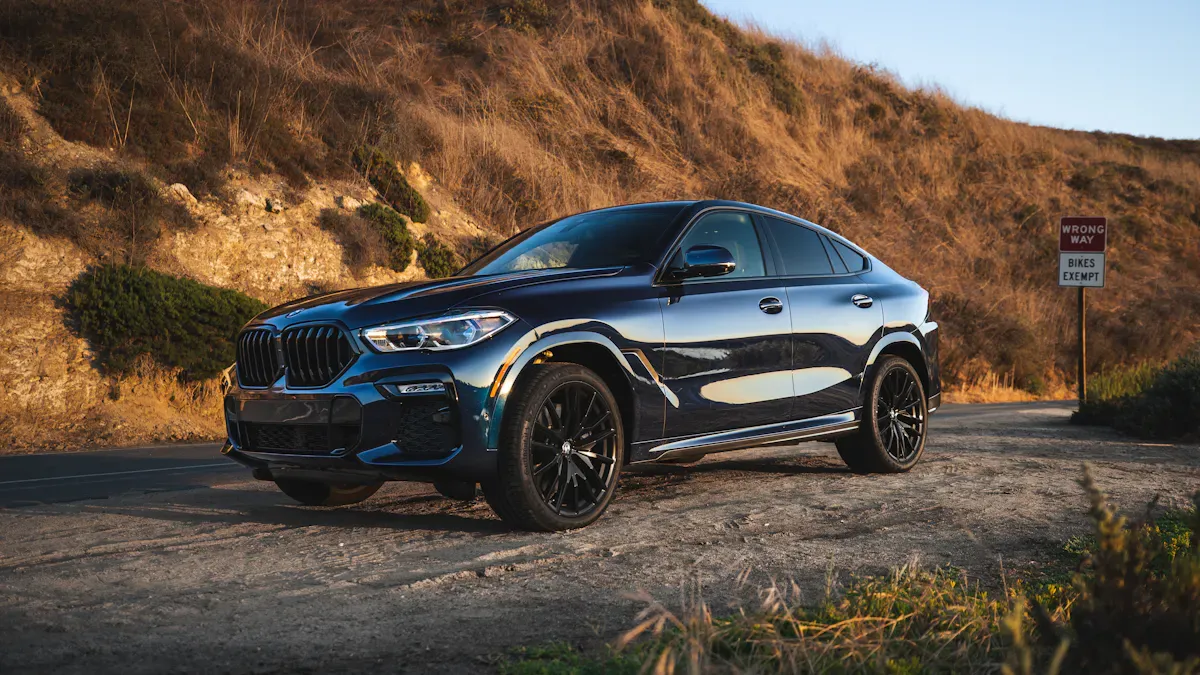
What “BMW X6 2.0” actually refers to (2.0L turbo engine variant)
The x6 2.0 is a version of the BMW x6 that uses a 2.0-liter turbocharged engine. This engine gives the mid-size suv a balance of power and efficiency. Many drivers choose this model because it offers the sporty look of a coupe with the practicality of a crossover. The 2.0-liter engine is smaller than the 3.0-liter option, but it still delivers strong performance for daily driving.
Market positioning (luxury coupe SUV)
The BMW x6 sits in the luxury coupe suv segment. It combines the bold style of a coupe with the space and comfort of a mid-size suv. The x6 is ranked #4 in Best Mid-Size 2-Row Luxury SUVs. It stands out as a chic choice for buyers who want both athletic performance and a luxurious interior. The x6 is known for its dynamic driving experience and sporty design, while some competitors, like the Genesis GV80 Coupe, focus more on advanced technology and comfort.
| Feature | BMW X6 | Genesis GV80 Coupe |
|---|---|---|
| Engine | Twin-turbocharged inline-6 | V6 with electric supercharger |
| All-wheel drive | Standard | Standard |
| Standard Features | Fewer features | Comprehensive list of features |
| Price | Lower base price | Higher base price |
| Driving Experience | Dynamic and sporty | Focus on luxury and comfort |
| Technology | Competitive | Advanced high-tech features |
Who should consider it?
The x6 2.0 is a good fit for people who want a stylish and sporty mid-size suv. It appeals to those who value luxury, but also want a crossover that feels fun to drive. This model works well for drivers who need a mix of comfort, technology, and athletic handling. Families who want a unique look and a premium interior will also find the x6 a strong choice in the luxury suv market.
BMW X6 2.0 Specs
The BMW X6 2.0 delivers a blend of luxury, technology, and powerful performance. This section covers the most important bmw x6 specs, including engine details, powertrain options, fuel economy, and interior space. Drivers looking for a quick overview will find the main specs and features summarized below.
Engine & Performance
2.0L turbocharged engine specs (hp, torque)
The x6 2.0 uses a 3.0-liter turbocharged inline-6 mild-hybrid engine. This powertrain stands out for its balance of power and efficiency. Key specs include:
- Engine: 3.0-liter turbocharged inline-6 mild-hybrid
- Horsepower: 375 hp at 5,200 rpm
- Torque: 398 lb-ft at 1,800 rpm
- Transmission: 8-speed automatic
- Drivetrain: All-wheel drive
This engine gives the x6 a strong foundation for daily driving and highway cruising. The powertrain responds quickly to throttle input, making acceleration smooth and confident. The mild-hybrid system helps boost power delivery and improves fuel efficiency.
Acceleration (0–60 mph / 0–100 km/h)
The x6 2.0 accelerates from 0 to 60 mph in about 5.2 seconds. This quick acceleration puts the x6 ahead of many rivals in the luxury coupe SUV segment. Drivers can expect a sporty feel and powerful performance, especially when merging onto highways or passing slower vehicles.
Drivetrain options (RWD vs xDrive AWD)
BMW offers several powertrain options for the x6. The most common setup for the x6 2.0 is the xDrive all-wheel drive system, which provides excellent traction and handling in all weather conditions. The table below shows different engine types and their power output:
| Engine Type | Power Output (hp) | Drivetrain Option |
|---|---|---|
| Petrol xDrive35i | 306 | Petrol |
| Petrol xDrive50i | 450 | Petrol |
| Diesel xDrive40d | 313 | Diesel |
| Diesel xDrive30d | 258 | Diesel |
| Diesel M50d | 381 | Diesel |
The xDrive system improves handling and stability, especially on slippery roads. Rear-wheel drive is less common in the x6, but it offers a more traditional sporty feel for drivers who prefer classic bmw dynamics.
Fuel Economy
Official MPG / L/100km
The x6 2.0 offers competitive fuel economy for its class. Official ratings show:
- Combined fuel consumption: 10.7 – 6.1 L/100km
- CO2 emissions combined: 243 – 159 g/km
These numbers reflect the efficiency of the mild-hybrid powertrain. Drivers can expect lower fuel costs compared to models with a twin-turbo v-8 engine.
Real-world fuel efficiency
In real-world driving, the x6 often matches or slightly exceeds its official ratings. Many owners report that the mild-hybrid system helps save fuel during city driving and stop-and-go traffic. The x6 remains efficient for a luxury SUV with this level of power and handling.
Dimensions & Space
Vehicle size and proportions
The x6 has a bold and athletic stance. Its size gives it a commanding presence on the road. The table below lists the main exterior dimensions:
| Specification | Value |
|---|---|
| Wheelbase (inches) | 117 |
| Length (inches) | 195 |
| Width, without mirrors (inches) | 79.5 |
| Height (inches) | 66.6 |
| Front Track Width (inches) | 66.9 |
| Rear Track Width (inches) | 66.5 |
| Cargo Space Behind Front Row (cu ft) | 59.6 |
| Cargo Space Behind Second Row (cu ft) | 27.4 |
These specs show that the x6 offers plenty of space for passengers and cargo, while still maintaining a sporty coupe profile.
Cargo capacity
The x6 provides 27.4 cubic feet of cargo space behind the second row. Folding the rear seats expands the area to 59.6 cubic feet. This makes the x6 practical for shopping trips, luggage, or outdoor gear. The sloping roofline does reduce vertical space compared to a traditional SUV, but the cargo area remains usable for most needs.
Passenger comfort
BMW designed the x6 to maximize comfort for both driver and passengers. Features that enhance comfort include:
- Remote vehicle starting system for pre-conditioning the interior
- Passenger memory system for both driver and front passenger
- Remote window closing for convenience in hot weather
- Standard Comfort Access for easy unlocking and starting
- Heated windshield washer nozzles for cold climates
- Optional massaging front seats for long drives
The x6 offers a premium experience, though the rear seats do not recline, which some competitors like the Mercedes GLC Coupe provide. Overall, the x6 delivers a high level of comfort and convenience, making it a strong choice for families and luxury SUV buyers.
Note: The x6 2.0 does not use a twin-turbo v-8 engine, but it still offers impressive power and handling for its class.
Interior, Comfort & Technology
Interior Design & Materials
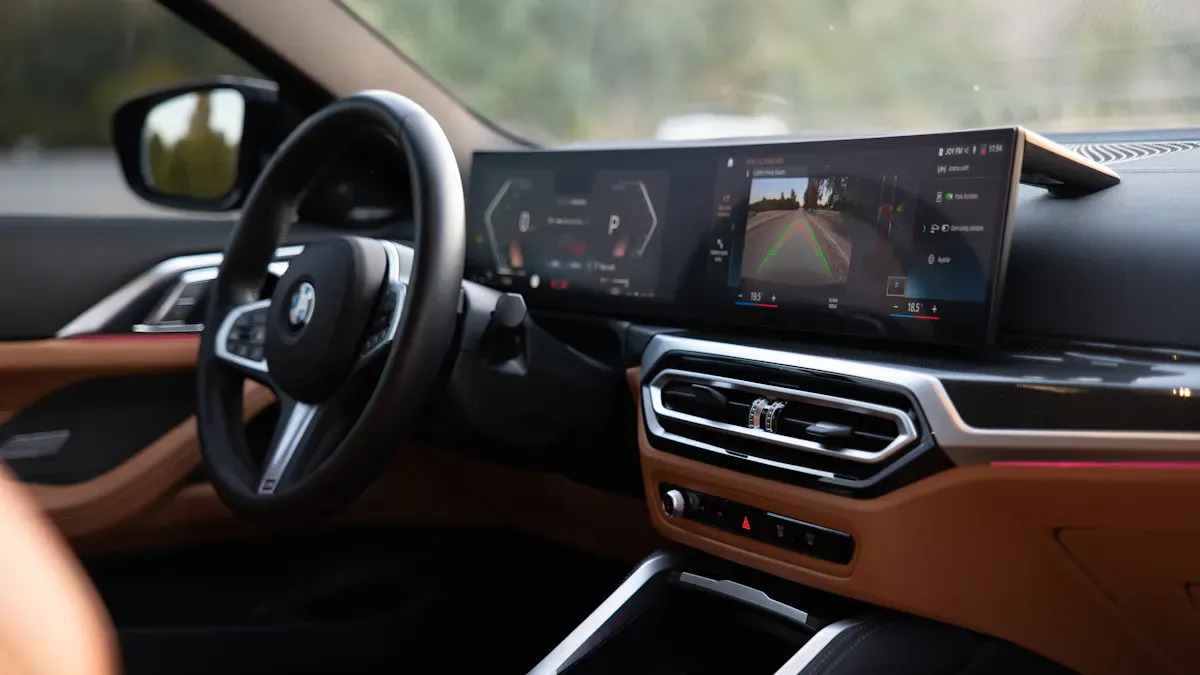
The bmw x6 2.0 offers a cabin that blends comfort with modern style. The interior uses soft-touch materials and fine leather upholstery, which create a sense of luxury. Elegant wood and metal accents add to the upscale feel. An optional panoramic sunroof brings in more natural light, making the space feel open and inviting.
- Soft-touch surfaces and premium leather seats
- Wood and metal trim for a refined look
- Panoramic sunroof option for increased brightness
- Ambient lighting system with customizable colors and intensities
Seating in the x6 provides comfort for all passengers. The front seats are power-adjustable and include memory settings, so drivers and passengers can find their ideal position. Ample legroom and headroom make long trips enjoyable. The rear seats split and fold, which helps when extra cargo space is needed.
Infotainment & Connectivity
The bmw x6 comes equipped with the latest iDrive system. This system uses a large curved display that combines the digital instrument cluster and the touchscreen infotainment system. The interface is easy to use and responds quickly to touch and voice commands.
- The main screen measures over 14 inches, offering clear graphics and fast navigation.
- Apple CarPlay and Android Auto come standard, allowing seamless smartphone integration.
- Multiple USB ports and wireless charging keep devices powered and connected.
Technology in the x6 also includes a premium sound system and advanced navigation. The system supports over-the-air updates, so new features and improvements can be added after purchase.
Safety & Driver Assistance
BMW places a strong focus on safety in the x6. Standard bmw x6 safety features include multiple airbags, stability control, and a rearview camera. The vehicle also comes with parking sensors and automatic emergency braking.
Advanced driver-assistance technology is available in higher trims like the xDrive40i and M60i. These trims add features such as adaptive cruise control, lane-keeping assist, blind-spot monitoring, and a surround-view camera system. The x6 2.0 offers a comprehensive suite of safety and driver-assistance systems, making it a secure choice for families and individuals.
Note: The latest model year brings updates to the technology package and interior materials. The xDrive40i trim focuses on balanced performance and value, while the M60i trim adds more power and exclusive features. Pricing varies between trims, with the M60i positioned at the top of the range.
BMW X6 2.0 vs 3.0: Key Differences
Engine performance comparison (2.0T vs 3.0T inline-6)
The BMW X6 2.0 uses a 2.0-liter turbocharged engine. This engine produces less horsepower and torque than the 3.0-liter inline-6 found in the higher trim. The 3.0T inline-6 delivers stronger acceleration and more power for highway driving. Drivers who want the best performance will notice the difference when merging or passing other vehicles.
| Model | Engine Type | Horsepower | Torque (lb-ft) | 0-60 mph (sec) |
|---|---|---|---|---|
| X6 2.0 | 2.0L Turbo 4-cylinder | 255 | 295 | 6.3 |
| X6 3.0 | 3.0L Turbo Inline-6 | 375 | 398 | 5.2 |
The 3.0T engine gives the X6 a sportier feel. The 2.0T engine focuses more on efficiency and daily driving.
Price differences
The price of the X6 2.0 is lower than the 3.0 variant. Buyers who choose the 2.0 model save money up front. The 3.0 version costs more because of its stronger engine and extra features. For many, the 2.0 model offers a good balance of value and luxury.
Fuel efficiency vs power trade-off
Choosing between the X6 2.0 and 3.0 means thinking about fuel efficiency and performance. Here are some key points:
- The X6 2.0 uses less fuel than the 3.0 model.
- The X6 3.0 offers more power but uses more gas.
- The X6 xDrive40i (3.0L) achieves 22-26 MPG combined.
- The X6 sacrifices some fuel efficiency for sportier styling compared to the X5 SUV.
Drivers who want to save on fuel will prefer the 2.0 engine. Those who want more power will choose the 3.0.
Which one should you choose?
The right choice depends on your needs. The X6 2.0 is a smart pick for drivers who want a stylish BMW SUV with good fuel economy and a lower price. The 3.0 model is better for those who want top performance and do not mind paying more. Both models offer advanced technology and a premium interior. Test driving both can help you decide which fits your lifestyle best.
BMW X6 2.0 Price & Ownership Costs
Purchase Price by Market
Pricing in different regions (US, EU, China)
The BMW X6 2.0 has a starting price that reflects its position as a luxury coupe SUV. In the United States, the base price begins at $78,750. This price can increase with optional packages and advanced features. In Europe, the starting price for the x6 is around €77,000, depending on the country and local taxes. In China, the price starts at approximately ¥720,000. These numbers show that bmw x6 pricing varies by market due to import duties, taxes, and equipment levels.
| Region | Starting Price | Notes |
|---|---|---|
| US | $78,750 | Before options and destination fees |
| Europe | €77,000 | Varies by country and VAT |
| China | ¥720,000 | Includes local taxes and fees |
Buyers should consider that the average price paid often rises with the addition of technology, comfort, and safety packages. These packages can add value but also increase the total cost.
Tip: Comparing available packages helps buyers find the best balance between price and desired features.
Maintenance & Running Costs
Service and maintenance
The x6 has maintenance and repair costs of $18,148 over the first 10 years. This amount is higher than some mainstream SUVs but is typical for luxury models. The bmw x6 scored a reliability rating of 2.0 out of 5, ranking 16th out of 19 luxury SUVs in a recent survey. Owners should budget for regular service to keep the vehicle running smoothly.
- Maintenance costs are higher than average SUVs.
- Reliability is lower than some competitors.
- Scheduled service is important for long-term performance.
Fuel costs
Fuel costs for the x6 depend on driving habits and local fuel prices. The 2.0-liter engine offers better efficiency than larger engines in the lineup. Most drivers can expect to pay less for fuel compared to the 3.0-liter or V8 models. The mild-hybrid system helps reduce fuel consumption, especially in city driving.
Insurance expectations
Insurance costs for the bmw x6 2.0 are higher than average due to its luxury status and repair costs. The table below shows typical insurance expenses for this model.
| Model | Insurance Cost (Annual) | Monthly Cost |
|---|---|---|
| BMW X6 2.0 | $5,146 | $429 |
Insurance rates can vary based on location, driver history, and coverage options. Buyers should request quotes from several providers to find the best rate.
Note: Ownership costs for the x6 include price, maintenance, fuel, and insurance. Buyers should consider all these factors when planning their budget.
Pros and Cons of BMW X6 2.0
Pros
Stylish coupe SUV design
The bmw x6 stands out with its bold coupe-inspired shape. Its sloping roofline and wide stance give it a sporty look that attracts attention on the road. The design also improves handling, thanks to a wider track and balanced weight distribution. The longer wheelbase of the x6 provides a smoother ride compared to some rivals. Ground clearance is higher than many competitors, making the x6 suitable for light off-road use.
Premium interior and tech
Inside, the bmw x6 offers a luxurious cabin with high-quality materials. Standard features include adaptive cornering lights, which improve visibility when turning. Rear passengers benefit from manual sunshades, and power folding mirrors add convenience. The x6 includes a wireless phone charging system as standard, while some competitors only offer this on higher trims. Optional massaging front seats increase comfort during long drives. The Automatic Parking Assistant can park the vehicle for you, even remotely. These features set the x6 apart from models like the Cadillac XT5.
Better fuel efficiency than larger engines
The bmw x6 2.0 delivers better fuel economy than models with larger engines. The mild-hybrid system helps reduce fuel consumption, especially in city driving. Owners can expect lower fuel costs compared to the 3.0L or V8 versions. The x6 also retains a higher resale value after five years, making it a smart investment.
Cons
Less powerful than 3.0L models
The x6 2.0 has less horsepower and torque than the 3.0L version. Drivers who want maximum performance may find the 2.0L engine less exciting. Acceleration is slower compared to the more powerful bmw models.
Sloping roof affects rear headroom
The coupe design of the x6 reduces rear headroom. Taller passengers in the back may feel cramped, especially on longer trips. Cargo space is also affected by the sloping roof, limiting vertical storage.
Higher price compared to rivals
The bmw x6 costs more than some competitors, such as the Cadillac XT5. Maintenance and repair costs are higher than average. The x6 has a reliability rating of 2.0 out of 5.0, with a higher chance of major repairs. Owners should expect above-average annual repair costs and more frequent service visits.
Note: The bmw x6 offers advanced features and a premium experience, but buyers should weigh these benefits against the higher price and potential maintenance needs.
Is the BMW X6 2.0 Worth Buying in 2026?
The 2026 bmw x6 continues to attract buyers who want a luxury coupe SUV with modern features. Many drivers look for a vehicle that combines style, technology, and performance. The 2026 bmw x6 offers a strong mix of these qualities. It stands out with its bold design and advanced safety systems.
When considering the x6 2.0, buyers should look at several factors. The engine delivers good fuel efficiency and enough power for daily driving. The interior uses premium materials and provides comfort for both short and long trips. The infotainment system includes a large curved display and supports smartphone integration.
Here are some reasons to consider the 2026 bmw x6:
- The vehicle has a sporty appearance that appeals to many buyers.
- The cabin features high-quality materials and advanced technology.
- The mild-hybrid engine helps reduce fuel costs.
- Safety features include adaptive cruise control and lane-keeping assist.
Potential drawbacks include higher maintenance costs and less rear headroom due to the sloping roof. Some competitors offer more features for a lower price. Buyers should compare the 2026 bmw x6 with models like the Mercedes-Benz GLE Coupe and Audi Q8.
Tip: Test driving the 2026 bmw x6 helps buyers decide if the vehicle meets their needs. Comparing ownership costs and features with other luxury SUVs is important.
The 2026 bmw x6 suits drivers who value style, comfort, and technology. It remains a strong choice in the luxury SUV market. Buyers who want a unique design and premium experience will find the x6 2.0 worth considering.
Best Alternatives to BMW X6 2.0
Luxury midsize performance suvs attract buyers who want style, comfort, and power. The x6 faces strong competition from other brands. Two of the most popular alternatives are the Mercedes-Benz GLE Coupe and the Audi Q8. Each model offers unique features and advantages.
Mercedes-Benz GLE Coupe
The Mercedes-Benz GLE Coupe stands out with its elegant design and advanced features. The exterior combines a sporty profile with classic Mercedes styling. The cabin uses high-quality materials and offers plenty of space for passengers. The GLE Coupe includes a large digital display and the MBUX infotainment system. Drivers can use voice commands to control navigation, music, and climate settings.
Safety features in the GLE Coupe include adaptive cruise control, lane-keeping assist, and blind spot monitoring. The vehicle offers several engine options, including a turbocharged inline-6 and a powerful AMG variant. The GLE Coupe provides smooth handling and a comfortable ride. Cargo space is generous, making it practical for families.
Tip: The GLE Coupe appeals to buyers who want a balance of luxury and performance. It offers a refined driving experience and advanced technology.
Audi Q8
The Audi Q8 is known for its premium feel and high-tech features. The exterior design is bold, with a wide grille and sharp lines. The cabin uses fine leather, wood, and metal accents. Audi includes a dual touchscreen setup for infotainment and climate controls. The Q8 supports Apple CarPlay and Android Auto, making it easy to connect devices.
Audi equips the Q8 with standard quattro all-wheel drive. The vehicle offers strong performance and stable handling. Cargo space reaches up to 60.7 cubic feet with the rear seats folded. The Q8 can tow up to 7,700 pounds when properly equipped. The Vision package adds HD Matrix-design LED headlights with Audi laser light.
“The Audi Q8 is described as more premium and high-tech, while the BMW X6 is noted for its sporty characteristics. The Q8 features advanced technology and luxury elements that set it apart from the X6, which is positioned as a sportier version of the X5.”
“The Q8 highlights standard quattro® all-wheel drive, generous cargo room up to 60.7 cu-ft with the rear seats folded, and an available Vision package that adds HD Matrix-design LED headlights with Audi laser light. Capability stands out with an impressive available 7,700-pound towing capacity when properly equipped.”
Quick comparison (design, performance, pricing)
Buyers often compare the x6, GLE Coupe, and Q8 to find the best fit. The table below shows key differences:
| Model | Design Style | Technology | Performance | Starting Price |
|---|---|---|---|---|
| BMW X6 | Sporty coupe | Curved display, iDrive | 2.0L turbo, AWD | $78,750 |
| Mercedes GLE Coupe | Elegant coupe | MBUX, voice control | Inline-6, AWD | $81,200 |
| Audi Q8 | Bold SUV coupe | Dual touchscreens, Vision package | Quattro AWD, V6 | $77,800 |
- The x6 offers a sportier look and strong handling. The GLE Coupe focuses on luxury and comfort. The Q8 stands out with advanced technology and premium materials.
- The x6 m competition targets buyers who want maximum performance. The GLE AMG and Audi SQ8 also offer high-performance variants.
- Pricing is similar across these models. Each vehicle provides a unique mix of features and value.
Note: Test driving each model helps buyers understand the differences in driving feel, comfort, and technology.
This review highlights the BMW X6 2.0 as a standout in the luxury midsize SUV market. The review shows that owners praise its handling, power, and advanced features. The review also notes the above-average reliability and strong driving experience. The price reflects its premium build and technology. This review recommends the X6 2.0 for drivers who want style, comfort, and performance. Next steps include scheduling a test drive or comparing this review with other models.
FAQ
What engine does the BMW X6 2.0 use?
The BMW X6 2.0 features a 2.0-liter turbocharged four-cylinder engine. This engine balances power and fuel efficiency. It is different from the 3.0-liter inline-6 found in higher trims.
How does the BMW X6 2.0 compare to competitors like the Mercedes-Benz GLE Coupe?
The BMW X6 2.0 offers a sportier design and advanced technology. The Mercedes-Benz GLE Coupe focuses more on luxury and comfort. Both models provide all-wheel drive and premium features.
Is the BMW X6 2.0 fuel efficient?
The BMW X6 2.0 achieves better fuel economy than larger engine variants. Owners report real-world efficiency close to official ratings. The mild-hybrid system helps reduce fuel consumption during city driving.
What are the main features of the BMW X6 2.0?
Key features include a curved display, iDrive infotainment system, premium leather seats, and advanced safety systems. The BMW X6 2.0 also offers all-wheel drive and optional massaging front seats.
Does the BMW X6 2.0 have enough cargo space for families?
The BMW X6 2.0 provides 27.4 cubic feet of cargo space behind the second row. Folding the rear seats expands storage. The sloping roof affects vertical space, but most families find it practical.
 News
News
How much to Import a Car from China?(2026 Buyers’ Guide)
How much to import a car from China in 2026 depends on several factors, but new tariffs play a major role. Recent regulations show a shift in costs for importing vehicles from China. The table below shows how tariffs have changed:
| Date | Effective Tariff Rate | Notes |
|---|---|---|
| December 2025 | 14.5% | Tariff rate for automotive vehicles. |
| December 2025 | 33.4% | Highest effective tariff rate faced by China. |
| February 2026 | 10% | New global tariff imposed affecting imports. |
| February 2026 | 9.1% | Projected average effective tariff rate after adjustments. |
Understanding the full cost means looking at the car price, tariffs, shipping, compliance, and hidden fees. Import costs can change quickly, so buyers need accurate, up-to-date information.
Key Takeaways
- Understand all costs involved in importing a car, including tariffs, shipping, compliance, and hidden fees.
- Always request a total cost breakdown before purchasing to avoid unexpected expenses.
- Choose the right shipping method based on your budget and needs; RoRo is often the most cost-effective for standard cars.
- Plan ahead to avoid sudden increases in shipping rates and tariffs; early booking can save money.
- Work with experienced customs brokers to navigate regulations and avoid delays during the import process.
How Much to Import a Car from China in 2026
Total Cost Overview
Understanding how much to import a car from China in 2026 requires a clear look at every expense. Buyers must consider not only the price of the vehicle but also tariffs, shipping, compliance, and hidden fees. Each part of the process adds to the total cost to import, and missing any detail can lead to unexpected charges.
Tip: Always ask for a total cost breakdown before making a purchase decision. This helps avoid surprises and gives a clear picture of what you will pay.
The main cost components for importing vehicles from China include procurement, logistics, compliance, and hidden fees. The table below shows these components and their descriptions:
| Cost Component | Description |
|---|---|
| Procurement Costs | Base vehicle price, taxes, and duties including import tariffs and VAT/GST. |
| Logistics & Shipping | Costs associated with shipping methods (FCL, LCL, Ro-Ro) and hidden logistics costs. |
| Compliance & Certification Costs | Fees for mandatory certifications and customs bonds required for import clearance. |
| Hidden & Post-Clearance Costs | Additional expenses such as currency risks, inspection fees, and local transportation costs. |
Buyers should also look at the estimated costs for each category. The following table gives a sample total cost breakdown for a mid-range car:
| Cost Category | Estimated Cost (USD) |
|---|---|
| Vehicle Price + Tariffs | $35,000 + $8,750 (25% tariff) |
| Shipping & Insurance | $4,000 – $6,000 |
| Compliance Costs | $3,500 – $5,000 |
| Hidden Fees | $1,500 – $3,000 |
| Total Estimated Cost | $52,750 – $62,750 |
Tariffs play a major role in the final price. They can range from 25% to 50% of the vehicle’s value. Shipping costs depend on the method chosen, such as FCL container, LCL shared, or Ro-Ro shipping. Compliance costs cover certifications needed for import clearance. Hidden fees include insurance, port storage, and registration.
Example Cost Scenarios
The cost to import a car from China can change based on the type of vehicle and market conditions. Entry-level cars may cost around $10,000, while mid-range models range from $25,000 to $35,000. Luxury vehicles can exceed $100,000. Tariffs and taxes add a significant amount to the final price.
In 2026, policy changes and market strategies will affect the cost of importing vehicles from China. For example, a halved tax rate leads to a purchase tax of about 13,300 yuan based on the guide price. If automakers reduce the guide price by 30,000 yuan, the total cost for consumers could drop to about 281,900 yuan. This is lower than the previous year’s cost of 300,000 yuan. These changes show how tariffs and pricing strategies impact the overall costs.
Shipping options also influence the total cost. FCL container shipping can cost $3,000 to $6,000. LCL shared shipping ranges from $1,500 to $3,500. Ro-Ro shipping is usually $1,000 to $3,000. Hidden logistics fees, such as bunker adjustment factor and terminal handling charges, add 5%–15% of freight and $100–$300 per shipment. Insurance costs about 0.3%–0.5% of the vehicle value.
Buyers must also consider compliance costs. Certifications for North America, such as EPA and DOT, can cost $1,500 to $4,000. Post-clearance costs include currency fluctuations, inspection fees, port storage, local transport, registration ($200–$500), and insurance.
When importing vehicles from China, buyers should plan for all these costs. This ensures a smooth process and helps avoid unexpected expenses.
Cost Breakdown for Importing from China

Vehicle Price Ranges
The first step in understanding how much to import a car from China is to look at the price of the vehicle itself. In 2026, buyers will notice a shift in the market. Chinese electric vehicles are now about 3% cheaper than gasoline vehicles. This is a big change from five years ago, when electric cars cost 10% more than gasoline models.
- The average price of a Chinese gasoline vehicle is around $26,205.
- The average price of a Chinese electric vehicle is about $25,509.
This price difference can help buyers save money, especially when considering the total cost of importing vehicles from China. The base price is only the starting point. Other expenses will add up quickly.
Tariffs and Import Duties
Tariffs are a major part of the total cost when importing a car from China. As of 2026, the United States applies a 25% tariff on imported automobiles from China. This tariff is calculated as a percentage of the customs value of the vehicle. The executive order from 2025 made the process simpler by removing extra stacked tariffs. Now, the 25% rate is applied directly.
| Tariff Type | Rate | Effective Date |
|---|---|---|
| Automobiles | 25% | April 3, 2025 |
Buyers should also know about other import duties and taxes. The U.S. suspended the de minimis exemption for China and Hong Kong in 2025. Goods valued at or under $800 now face a duty or postal fee. For some shipments, the duty rate can reach as high as 120%. These high tariffs and taxes can make a big difference in the final price.
Shipping and Logistics Costs
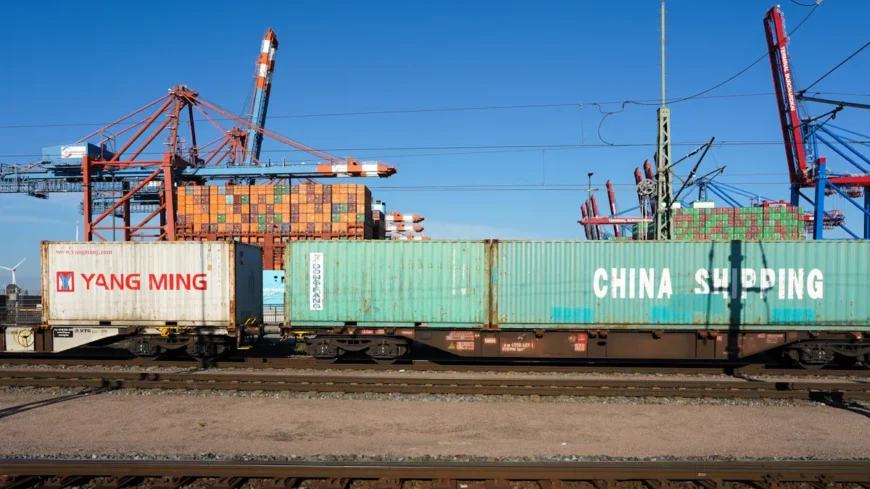
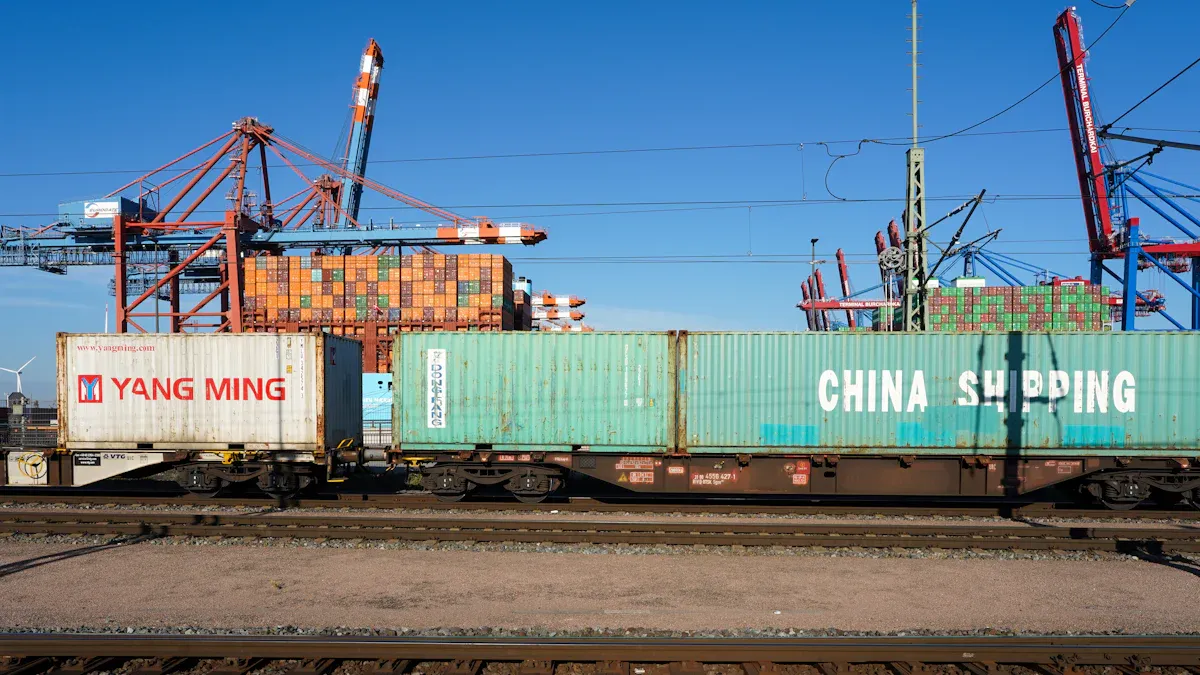
Shipping costs are another key part of the total expenses. The average shipping cost for transporting a car from major Chinese ports to the United States starts at $3,650. The journey usually takes between 20 and 40 days.
Different shipping methods affect the total logistics cost:
- Roll-on/Roll-off (RoRo) shipping for standard cars costs between $500 and $1,000.
- Larger vehicles like trucks cost $1,500 to $5,000 with RoRo.
- Container shipping for a standard 20-foot container ranges from $1,000 to $3,000.
- Disassembling large vehicles for container shipping adds $500 per truck.
- RoRo allows direct loading at $2,500 per truck, which can save over $10,000 when shipping multiple trucks.
RoRo shipping is usually more affordable than container shipping for vehicles and large machinery. The loading and unloading process is simpler, which helps lower logistics costs. For long distances, RoRo is often the cheaper choice.
Compliance and Modification Fees
Compliance and modification fees are important for customs clearance. Vehicles imported from China must meet U.S. standards. Nonconforming vehicles may need costly modifications. These changes can be expensive and sometimes not practical.
- Vehicles that do not meet U.S. emission rules must be imported through an independent commercial importer (ICI).
- ICI fees are usually very high.
- The time and cost for modifications can affect the decision to import a vehicle.
For electric vehicles, compliance costs can be even higher. Chinese electric vehicles face a 100% tariff on top of standard import duties. This can double the landed cost. For example, a $25,000 Chinese electric car could cost close to $50,000 after tariffs. Gasoline vehicles do not face such high tariffs, so their compliance costs are lower.
Hidden and Post-Clearance Costs
Hidden fees and post-clearance costs can surprise buyers if they are not prepared. These expenses include taxes, local fees, and extra charges during customs clearance.
| Region | Tax/Duty Type | Percentage/Rate |
|---|---|---|
| United States | Import Duty (used cars) | 2.5% |
| South Africa | VAT | 15% |
| South Africa | Excise Duty | 10% |
| UAE | Customs Duty | 5% |
| UAE | VAT | 5% |
Buyers should include the car price, shipping, customs, taxes, and local fees in their total cost calculation. Slow customs processing can increase costs by up to 18%. Other hidden expenses may include inspection fees, port storage, local transportation, and registration. Planning for these costs helps avoid surprises during the import process.
Tip: Work with experienced customs brokers and freight forwarders. They can help you avoid delays and extra fees during customs clearance.
Optimize Import Costs from China
Shipping Method Choices
Choosing the right shipping method can lower the cost of importing vehicles from China. Each method fits different needs and budgets. The table below compares the most common options:
| Shipping Method | Cost Range (per vehicle) | Transit Time (China) | Best For |
|---|---|---|---|
| RoRo Shipping | $800–$1,500 | 25–40 days | Standard passenger vehicles, fleet imports |
| Container Shipping (20ft) | $1,800–$3,000 | 30–45 days | Luxury, classic, or high-value cars |
| Air Freight | $5,000–$15,000+ | 5–10 days | Urgent deliveries, rare collectibles |
RoRo shipping is often the most cost-effective for standard car imports. Container shipping protects high-value vehicles. Air freight is fast but expensive.
Timing and Planning
Timing affects how much to import a car from China. Shipping rates often rise before new tariffs or taxes take effect. Planning ahead can help avoid sudden increases in expenses.
- Spot shipping rates from China to the US can jump by 9% to 16% before tariffs.
- Early booking helps secure lower fees and better transit times.
- Avoid peak seasons to reduce costs.
Working with Import Agents
Import agents can simplify the process and help manage costs. They offer access to a wide range of vehicles and handle logistics. The table below shows the benefits and drawbacks:
| Benefits of Working with Professional Import Agents | Potential Drawbacks |
|---|---|
| Access to a diverse product range | Risks related to quality control |
| Seamless supply chain and logistics management | Compliance challenges |
| Competitive pricing and attractive profit margins | Need for due diligence in supplier selection |
| Expertise in regulatory compliance | |
| Focus on advanced and electric vehicles |
Agents help with compliance, paperwork, and customs. However, buyers must check agent reliability to avoid extra fees or delays.
Avoiding Extra Costs
Many importers face hidden expenses when importing vehicles from China. Common mistakes include ignoring quality checks, missing documents, or not planning for spare parts. To avoid extra costs:
- Understand all customs and regulatory requirements.
- Prepare all documents before shipment.
- Choose a reliable customs broker.
- Plan for after-sales support and spare parts.
- Set clear policies for replacements and compensation.
Tip: Careful planning and working with trusted partners can prevent unexpected fees and keep total costs under control.
Importing a Chinese Electric Car: Special Considerations
EV-Specific Costs
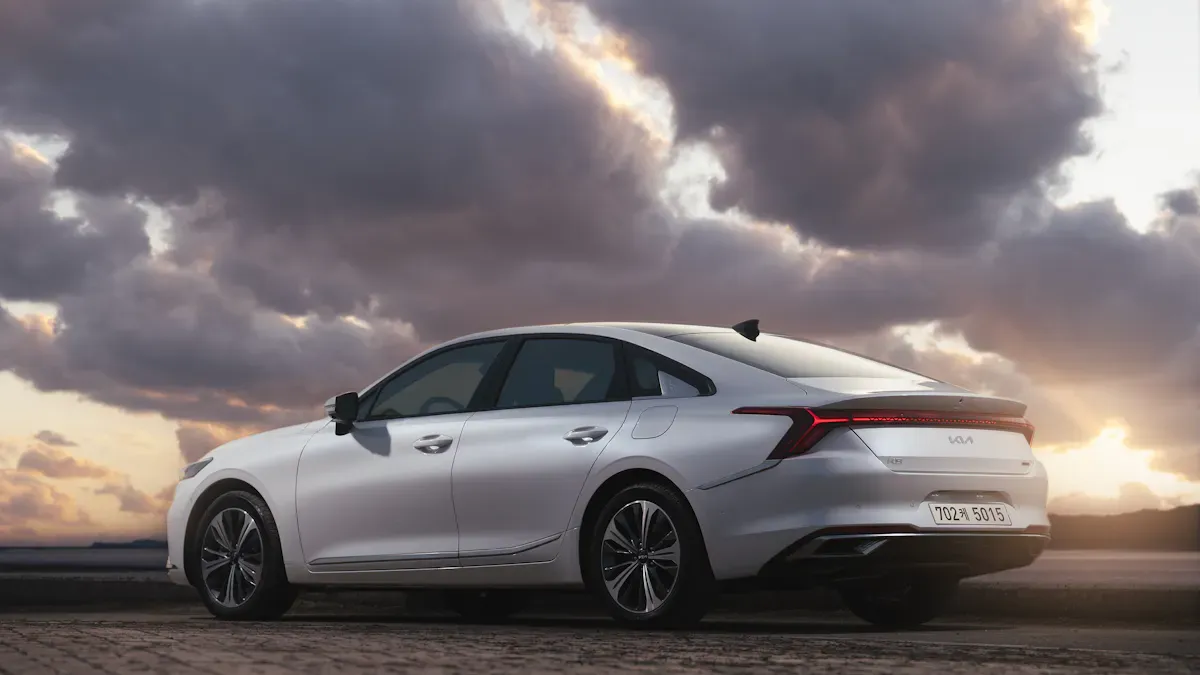
Importing a Chinese electric car in 2026 brings unique challenges. Buyers often ask how much to import a car from China, but the answer changes when the vehicle is electric. The cost can rise quickly due to special tariffs and regulations. Here are some key factors to consider when importing an electric car from China:
- Tariffs on electric vehicles can reach up to 247.5%. This makes the total cost much higher than for gasoline cars.
- Compliance costs for modifications are often higher. Electric cars must meet strict DOT and EPA standards.
- Restrictions on connected vehicles can limit your options. Some electric cars with advanced software or autopilot features may not be allowed for import.
- The electric car import process may include extra steps, such as battery certification and safety checks.
Importing a Chinese electric car also means planning for hidden fees. These can include inspection charges, port storage, and local taxes. Buyers should always check the latest rules before starting the electric car import process.
Compliance for Electric Cars
Importing an electric car from China requires meeting several U.S. regulations. These rules apply to both new and used electric vehicles. The table below shows the main compliance requirements for importing an electric car from China:
| Requirement | New EVs | Used EVs |
|---|---|---|
| FMVSS Compliance (NHTSA) | Must be certified by manufacturer or modified/inspected. Rare for Chinese brands. | Same as new; 25-year-old exemption possible (pre-2000 EVs don’t exist). |
| EPA Certification | Required for emissions/battery standards; exemptions for <21-year-old vehicles. | Same; older models may skip full testing but still need basic compliance. |
| Tariffs (Section 301) | 100% base + 2.5% duty = ~102.5%; escalated to 247.5% in 2025 due to trade war. | Same rates apply; no age-based reduction. |
| Connected Vehicle Ban | Prohibits import/sale of EVs with Chinese software/hardware (e.g., ADS/autopilot) effective Jan 2025. | Applies if “connected”; many used EVs qualify. |
EV import regulations are strict. Importing used EVs from China faces the same high tariffs and bans as new models. Many Chinese electric cars cannot enter the U.S. if they have advanced driver systems or connected features. Buyers should research each vehicle’s compliance status before importing an electric car from China.
Note: Always check for updates on EV import regulations. Rules can change quickly and affect the total cost of importing an electric car from China.
Importing a car from China in 2026 involves careful budgeting for costs like tariffs, compliance, shipping, and hidden fees. Buyers should track changes in tax policies, as new NEV rates may add up to RMB 15,000 in fees. Use the breakdown below to plan your budget:
| Aspect | Description |
|---|---|
| Import/Export Policies | Know current regulations and tariffs |
| Vehicle Adaptability | Check local standards and compliance costs |
| After-Sales Service | Consider ongoing support and service fees |
For electric vehicles, review total costs, battery health, and local incentives before making a decision.
FAQ
How long does it take to import a car from China?
Shipping usually takes 20 to 40 days. Customs clearance adds 5 to 10 days. Delays may occur during peak seasons. Planning ahead helps avoid unexpected waiting times.
What documents are required for importing a car?
You need a bill of sale, export certificate, shipping documents, and compliance certificates. Customs brokers can help organize paperwork. Missing documents may cause delays.
Are there any incentives for importing electric vehicles?
Some states offer rebates or tax credits for electric vehicles. Check local programs before importing. Incentives may reduce the total cost. Not all imported EVs qualify.
Can I import used cars from China?
Used cars can be imported, but they must meet local safety and emission standards. Age restrictions apply in some regions. Compliance checks are required for all used vehicles.
 News
News
Jetour X90 vs Jetour X90 Plus Key Differences Explained
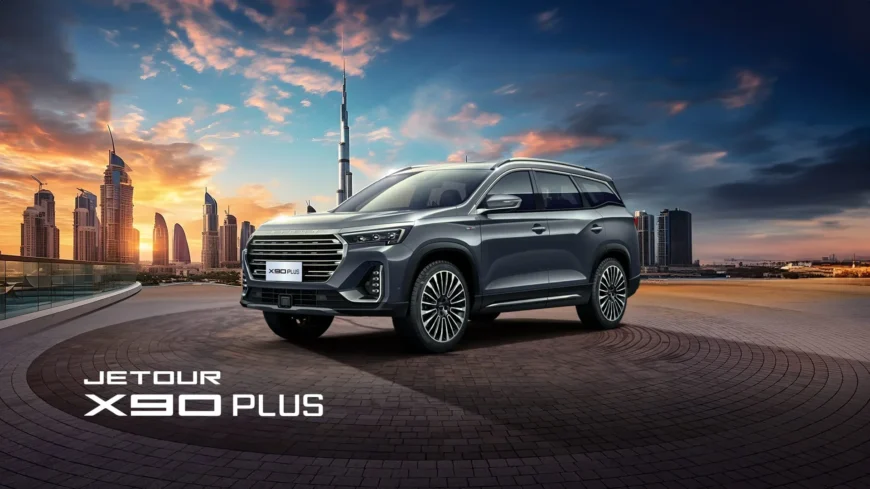
Looking for a jetour car recommendation? If you have a big family, the jetour x90 plus stands out with its roomy cabin and extra comfort. Value seekers might prefer the jetour x90. This comparison shows how jetour models differ in space, technology, and price. Think about your family needs and tech preferences before choosing.
The right comparison combinations help you match the model to your lifestyle.
Key Takeaways
- The Jetour X90 Plus offers more space and comfort, making it ideal for families needing extra seating and cargo room.
- Advanced technology features in the Jetour X90 Plus, like a large touchscreen and smartphone integration, enhance the driving experience.
- Both models provide strong safety features, but the Jetour X90 Plus includes additional driver assistance systems for added peace of mind.
Design & Exterior
Styling
When you see a jetour on the road, you notice the bold design right away. Both models have their own unique style. The table below shows how their exterior features compare:
| Feature | Jetour X90 Plus | Jetour X90 |
|---|---|---|
| Grille | Wide chrome grille | Large polygonal air intake grille |
| Headlights | Integrated LED headlights | Standard headlights |
| Body Lines | Muscular body lines | Aggressive design |
| Taillights | Horizontal LED taillights | Standard taillights |
| Overall Design | Emphasizes elegance and capability | Imposing and sporty look |
The jetour x90 plus stands out with its wide chrome grille and sleek LED headlights. The jetour x90 leans toward a sportier look with its bold lines and large air intake.
Dimensions
Size matters when you pick an suv, especially for families. The jetour x90 plus offers generous space for passengers and cargo. Here are the official dimensions:
- Length: 4,858 mm
- Width: 1,925 mm
- Height: 1,780 mm
- Wheelbase: 2,850 mm
These numbers show that the jetour x90 plus gives you more room to stretch out, making it a great choice for road trips or daily drives.
Visual Appeal
The jetour x90 plus gets a lot of praise from reviewers for its confident and modern look. Its large front grille and slim LED headlights give it a strong presence without looking too aggressive. The clean lines and long wheelbase make it look both practical and stylish. Chrome details and full-width LED taillights add a premium touch. Features like a powered tailgate and good ground clearance make this suv perfect for families who want both style and function.
If you want a vehicle that turns heads and fits your lifestyle, jetour offers options that balance elegance, space, and a modern vibe.
Interior & Comfort
Cabin Space
Step inside a jetour suv, and you’ll notice how much room you get. The jetour x90 plus shines when it comes to cabin space. This model offers a flexible 5 or 7-seater layout, which is perfect for families who need extra seats or want more cargo room. You can stretch out during long drives, and there’s plenty of space for luggage, sports gear, or groceries. The jetour x90 also provides good space, but the jetour x90 plus takes it up a notch for those who value comfort and flexibility.
Seating Layout
Families often look for family suvs with smart seating options. Here’s how the jetour x90 plus stands out:
- 5/7-seater layout gives you choices for passengers or cargo.
- Expansive cabin makes it easy for everyone to get comfortable.
- Great for road trips, school runs, or weekend adventures.
Comfort Features
Comfort matters when you spend hours in your suv. The jetour x90 plus brings a luxury lounge feel with premium materials and advanced features. Take a look at what both jetour models offer:
| Comfort Feature | Description |
|---|---|
| Large panoramic sunroof | Lets you enjoy the view and sunlight. |
| Quiet cabin and smooth ride quality | Keeps noise out and makes every trip relaxing. |
| Spacious trunk | Fits everything from groceries to sports equipment. |
| Premium interior finishes | Adds a touch of class for daily drives or business meetings. |
| Ventilated and massaging front seats | Keeps the driver and front passenger comfortable. |
| Surround-sound audio system | Makes music and podcasts sound amazing. |
| Dual-zone or tri-zone automatic climate control | Lets everyone set their own temperature. |
| Noise-insulated glass | Helps create a peaceful cabin for all. |
Tip: If comfort and space are your top priorities, the jetour x90 plus is a smart pick for families.
Technology
Infotainment
Jetour makes sure you get a modern infotainment experience in both the jetour x90 and jetour x90 plus suv 2021. The jetour x90 plus comes with a huge 15.6-inch touchscreen that feels like a tablet. You can use full HD navigation with real-time traffic updates. The system supports streaming services, so you can listen to music or podcasts on the go. The jetour x90 also offers a large touchscreen and premium sound system, but the plus model adds more advanced specs.
| Feature | Description |
|---|---|
| Touchscreen | 15.6-inch high-resolution display |
| Navigation | Real-time traffic updates |
| Sound System | Premium audio experience |
| Streaming Services | App-based entertainment |
Connectivity
Staying connected is easy in a jetour suv. The jetour x90 plus supports both Apple CarPlay and Android Auto. You can link your smartphone and use your favorite apps right from the dashboard. Bluetooth and USB connectivity come standard. Passengers can use the Wi-Fi hotspot for their devices. Wireless charging keeps your phone powered up without messy cables.
If you want seamless smartphone integration, the jetour x90 plus stands out with Apple CarPlay and Android Auto support.
Advanced Features
The jetour x90 plus offers features that make driving safer and smarter. You get a collision avoidance system, lane keeping assist, and a 360-degree camera system. Adaptive cruise control and blind spot monitoring help you stay safe on busy roads. Dual 12.3-inch screens create a digital cockpit. The intelligent connectivity system gives you more control and convenience. These features set the jetour x90 plus apart from the jetour x90, making it a top choice for tech lovers looking for a model with advanced specs.
Performance

Engine Options
When you look at jetour models, you get a nice range of engine choices. Both models offer engines that fit different driving needs. Here’s a quick look at what you can expect:
| Engine Type | Description |
|---|---|
| 1.5L Turbocharged (1.5T) | Great for city driving and daily commutes. It balances performance and fuel efficiency. |
| 1.6L Turbocharged (1.6T) | Gives you more power for highway trips and moderate towing. Smooth and reliable. |
| 2.0L Naturally Aspirated | Delivers steady power and is known for long-term reliability. Simple and easy to maintain. |
| 2.0T Turbocharged | Packs a punch with strong torque, perfect for towing or uphill drives. |
The jetour x90 plus often comes with the 1.6T or 2.0T turbocharged engines, which means you get more power and better acceleration. The jetour x90 usually features the 1.5T or 2.0L options, making it a solid pick for everyday use.
Ride Quality
You want your suv to feel smooth and stable on any road. Jetour puts a lot of effort into making sure both models deliver a comfortable ride. The jetour x90 plus stands out with its advanced suspension system. It soaks up bumps and keeps the cabin quiet, even on rough roads. The steering feels light, which makes city driving easy. On highways, the jetour x90 plus stays steady and confident.
The jetour x90 also offers a pleasant ride, but the plus model takes comfort up a notch. If you care about ride quality and want a suv that feels refined, the jetour x90 plus is a great choice for families and long trips.
Safety
Safety Features
Safety sits at the top of the list for many families when choosing a jetour. Both models come packed with smart features that help protect you and your passengers. Take a look at what you get as standard in these models:
| Feature | Description |
|---|---|
| Airbag System | Comprehensive 6-airbag system for enhanced protection during collisions. |
| Automatic Emergency Braking System (AEB) | Applies brakes automatically in emergencies to prevent collisions. |
| Rear Side Collision Alert (RCTA) | Alerts the driver of approaching vehicles when reversing, reducing blind spots. |
| Tire Pressure Monitoring System (TPMS) | Monitors tire pressure to ensure safety and performance. |
| Driver’s Seat Belt Reminder | Alerts the driver if the seat belt is unfastened. |
| ISOFIX Child Seat Latch | Provides secure attachment points for child seats. |
| Central Door Locking | Internally operated system for securing all doors. |
| Intelligent Key | Allows for keyless entry and start. |
| Seat Belt with 3 Points | Ensures proper restraint for all passengers. |
You can drive with peace of mind knowing your jetour suv has these important features. The airbag system and automatic emergency braking work together to keep everyone safe, while ISOFIX makes it easy to secure child seats.
Driver Assistance
The jetour x90 plus takes safety a step further with advanced driver assistance. These features make driving easier and help you avoid accidents. Here’s what you’ll find in the jetour x90 plus compared to the jetour x90:
- Adaptive cruise control keeps a safe distance from cars ahead.
- Lane departure warning and lane keeping assistance help you stay in your lane.
- Blind spot monitoring alerts you to cars you might not see.
- Automatic emergency braking reacts quickly in dangerous situations.
- A 360-degree camera gives you a full view when parking.
- Automated parking assistance helps you fit into tight spots.
These smart systems make the jetour x90 plus a great choice for drivers who want extra support on the road. If you want a suv that looks out for you, jetour has you covered.
Pricing & Value
Price Range
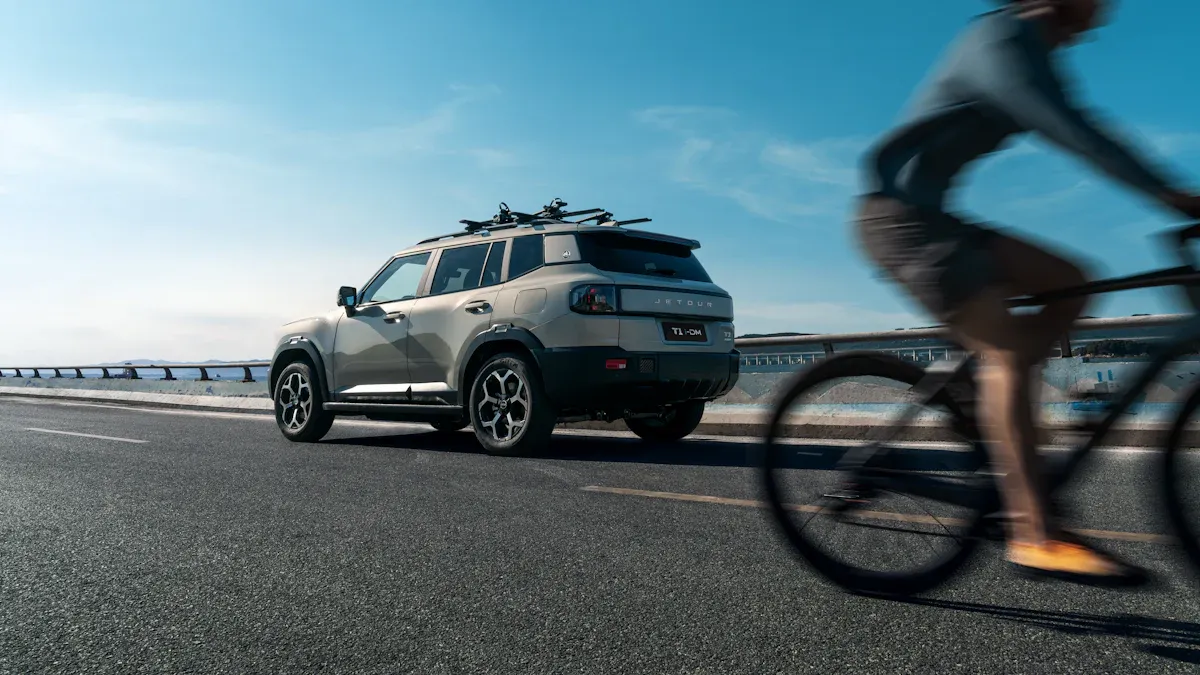
When you start looking at jetour prices, you might be surprised by how much value you get for your money. The x90 plus price sits in a sweet spot for families and buyers who want more features without breaking the bank. Here’s a quick look at the price range for the x90 plus in the new car market:
- X90 plus price: 100,900 to 142,900 RMB
- Actual starting price after discount: 90,900 RMB
- Pricing can change depending on your region, but it stays competitive with rivals like the Proton X90 and Haval H6.
- X90 plus is seen as a more premium model, but its price is lower than many expect.
If you check the used car market, you’ll find that x90 plus price uae and other regions often reflect strong value, especially for a suv with so many features. Jetour 2024 models also keep their value well, thanks to their popularity and reliability.
Trim Levels
Jetour offers several trim levels for both the jetour x90 and the x90 plus. Each trim brings a different mix of features, so you can pick what fits your needs best. Some trims focus on comfort, while others add more tech or safety features. You might see options like a panoramic sunroof, leather seats, or advanced driver assistance systems in higher trims. Lower trims keep things simple and affordable, making them a good choice for buyers who want an affordable suv without extra frills.
Here’s what you can expect when comparing trim levels:
- Entry-level trims: Basic features, good for budget buyers.
- Mid-level trims: Add more comfort and tech, like bigger screens and better audio.
- Top trims: Packed with luxury touches, advanced safety, and the latest connectivity.
No matter which trim you choose, jetour makes sure you get a lot for your money.
Value for Money
Let’s talk about what you really get for your investment. Jetour stands out because it packs a lot of features into every model. The x90 plus gives you a premium feel, advanced tech, and strong safety features, all at a price that undercuts many competitors. Even after a few years, these suvs hold their value well in the used market.
Here’s a quick table showing what helps jetour models keep their value:
| Factor | Impact on Resale Value |
|---|---|
| Build Quality & Reliability | High perceived durability boosts buyer confidence and demand in the used market. |
| Market Demand | Strong sales and brand popularity in places like the Middle East and Southeast Asia. |
| Feature Content | Well-equipped models stay appealing, even after some depreciation. |
If you want a suv that feels upscale but still fits your budget, x90 plus is a smart pick. The x90 is also a solid choice for anyone who wants a reliable and affordable suv. Both models offer great value, but the plus version gives you more space, tech, and comfort for a little extra money.
Tip: If you’re shopping for a family vehicle or just want more features for your dollar, jetour x90 plus delivers premium value without the premium price tag.
Jetour X90 Pros & Cons
Pros
Let’s start with what makes the jetour x90 a favorite for many drivers. Owners and experts often praise this suv for its comfort, technology, and value. Here’s a quick look at the main advantages:
| Advantage | Description |
|---|---|
| Comfort | Full leather seats and ambient lighting create a relaxing, upscale feel inside the cabin. |
| Technology | A large touchscreen infotainment system supports Apple CarPlay, Android Auto, and navigation. |
| Safety Features | Advanced safety suite includes adaptive cruise, lane-keeping, and blind-spot monitoring. |
| Versatility | Spacious 7-seater layout with lots of legroom and flexible cargo space for families. |
| Off-Road Capability | Robust chassis and high ground clearance handle rough roads and light trails. |
| Fuel Efficiency | Turbocharged engines with start-stop tech help save fuel on daily drives. |
| Ride Comfort | Well-insulated cabin keeps out road and wind noise for a peaceful trip. |
Tip: If you want a family-friendly suv that feels luxurious without a luxury price, the jetour x90 delivers on comfort and features.
Drivers also give high marks for reliability and value for money. Many say the jetour x90 offers a lot more than you’d expect for its price. Here’s how customers rate it:
| Feature | Jetour X90 Rating |
|---|---|
| Comfort | ★★★★★ |
| Reliability | ★★★★★ |
| Performance | ★★★★★ |
| Fuel Economy | ★★★★★ |
| Features | ★★★★★ |
| Value For Money | ★★★★★ |
The jetour x90 stands out for its roomy interior and flexible seating. Families love the extra space for kids and gear. The advanced safety features give peace of mind on busy roads. Plus, the infotainment system makes every drive more enjoyable.
Cons
No suv is perfect, and the jetour x90 has a few drawbacks you should know about before making a decision. Here are some of the most common issues reported by owners:
- The one-touch start feature sometimes stops working before 20,000 kilometers.
- The 360 camera can malfunction, showing a black screen instead of the camera view.
Note: While these problems don’t affect every vehicle, it’s smart to check these features during a test drive.
Some users also mention that the warranty coverage for the jetour x90 is not as long as the x90 plus. The standard warranty includes:
- New Vehicle Limited Warranty: 3 years or 100,000 km
- Powertrain Warranty: 5 years or 150,000 km
- Roadside Assistance: 3 years or 100,000 km
If you want longer coverage, you might want to compare with the jetour x90 plus, which offers up to ten years or one million kilometers in some markets.
Overall, the jetour x90 gives you a lot for your money, but it’s important to weigh these pros and cons. Think about what matters most for your family and driving style before you choose your next suv.
Jetour X90 Plus Pros & Cons
Pros
Let’s talk about what makes the Jetour X90 Plus a standout in the suv world. If you’re searching for a vehicle that feels modern and spacious, this model checks a lot of boxes. Owners and reviewers often mention how roomy the cabin feels, especially with the seven-seat option. You can fit your whole crew or pack extra gear for a weekend trip. The Jetour X90 Plus brings a comfortable ride, whether you’re cruising through city streets or heading out on the highway.
Here’s what people love most about the Jetour X90 Plus:
- Spacious cabin with flexible seating for up to seven passengers
- Modern infotainment system that connects easily to your smartphone
- Strong value for money compared to other suv brands
- Long warranty coverage in many markets, giving you peace of mind
- Smooth ride quality that makes daily driving and road trips enjoyable
The infotainment system stands out with its big touchscreen and easy controls. You can use Apple CarPlay or Android Auto, so your favorite apps are always within reach. The Jetour X90 Plus also offers wireless charging and a Wi-Fi hotspot, making it easy to stay connected.
Tip: If you want a family suv that feels upscale but doesn’t cost a fortune, Jetour X90 Plus delivers a lot for the price.
Many buyers notice the Jetour X90 Plus price is lower than expected for a vehicle with so many features. It competes well against rivals like the Proton X90 and Haval H6. You get premium touches, advanced tech, and a long warranty, all bundled into a package that’s easy on your wallet.
Cons
No suv is perfect, and the Jetour X90 Plus has a few areas where it could improve. Some owners mention that the third-row seats feel a bit tight for adults, especially on longer drives. The cabin materials look nice, but a few reviewers say they wish for even more premium finishes in certain spots.
Here are some common drawbacks:
- Third-row seating can feel cramped for taller passengers
- Some interior plastics don’t match the luxury vibe of the rest of the cabin
- Limited engine options in certain regions, which might affect performance choices
- Infotainment system can be slow to respond at times
- Availability of advanced features may vary depending on the market
Note: It’s a good idea to check which features come standard in your region, since Jetour prices and trim levels can change.
A few buyers report that the Jetour X90 Plus price UAE and other markets may fluctuate based on demand and local taxes. If you’re shopping for a used Jetour 2024 model, you might find strong resale value, but it’s smart to compare Jetour price listings to make sure you’re getting the best deal.
If you’re considering the Jetour X90 Plus, weigh these pros and cons against your needs. Families who want space and tech will find a lot to like. Value seekers might compare it with the Jetour X90 to see which suv fits their budget and lifestyle best.
Choosing between jetour models depends on your priorities. Jetour x90 plus works best for families who want space, comfort, and the latest technology. Jetour x90 fits buyers who focus on value and low jetour prices. Think about what matters most for your daily drive before picking your next jetour.
FAQ
What is the main difference between Jetour X90 and Jetour X90 Plus?
Jetour X90 Plus offers more space, advanced tech, and extra comfort. Jetour X90 focuses on value and affordability. Both deliver strong features for their price.
How much does the Jetour X90 Plus cost in the UAE?
Jetour X90 Plus price UAE usually starts around 90,900 AED after discounts. Actual jetour prices may vary by dealer, trim, and current jetour 2024 promotions.
Does the Jetour X90 Plus have Apple CarPlay and Android Auto?
Yes! Jetour X90 Plus comes with both Apple CarPlay and Android Auto. You can connect your phone and enjoy your favorite apps on the big touchscreen.
 News
News
Top 10 Best Cars for Desert Driving in 2026
Looking for the best cars for desert adventures in 2026? Here are the top 10 picks that handle sand, heat, and rough terrain with ease:
- Toyota Land Cruiser 300
- Jeep Wrangler Rubicon
- Ford F-150 Raptor
- Nissan Patrol
- Mercedes-Benz G-Class
- Land Rover Defender
- Toyota 4Runner TRD Pro
- Chevrolet Colorado ZR2
- GMC Yukon AT4
- Ram 1500 TRX
The right cars for desert need four-wheel drive, high ground clearance, and strong cooling systems. Every driver faces different challenges, so picking the right ride matters.
Key Takeaways
- Choose vehicles with four-wheel drive for better traction on sand and rough terrain.
- Look for high ground clearance to avoid damage from rocks and dunes.
- Ensure your car has a strong cooling system to prevent overheating in extreme heat.
- Regular maintenance is crucial; check oil, air filters, and tires before every trip.
- Consider your needs and budget when selecting cars for desert.
Introduction: What Makes a Car Ideal for Desert Driving?
Ever wondered why some cars just glide over sand while others get stuck? Picking the right suv for desert driving is all about matching the vehicle’s features to the challenges of the terrain. Let’s break down what really matters.
- Four wheel drive: This is the heart of any off-road adventure. Four-wheel-drive systems send power to all four wheels, which means you get better grip on loose sand, rocks, and uneven surfaces.
- Ground clearance: High ground-clearance lets your suv roll over rocks and dunes without scraping the bottom.
- Cooling systems: Deserts get hot—really hot. Advanced cooling systems keep your engine from overheating, so you don’t end up stranded.
- Durability: You want a vehicle that can take a beating. Off-road-focused suvs are built tough to handle bumps, dust, and long drives.
- Tires and suspension: Off-road tires and strong suspension help you stay comfortable and in control, even when the ride gets rough.
But there’s more to it than just the hardware. Before you hit the sand, make sure you:
- Get a pre-drive mechanic check-up.
- Plan your route and know where gas stations are.
- Pack food, water, and emergency supplies.
- Bring extra oil and coolant, just in case.
Some of the best 4×4 suvs come with selectable four-wheel-drive, true four-wheel-drive, and even an advanced off-road package. These features let you adjust your suv’s power and performance for different conditions. A true transfer-case 4wd or a transfer case with low-range gearing can help you crawl over tough spots. If you love off-roading, look for suvs with a 4×4 system and a transfer-case that splits power evenly.
The best suvs for towing also shine in the desert, thanks to their strong engines and rugged build. When you combine power, performance, and the right off-road features, you get a vehicle that’s ready for any adventure.
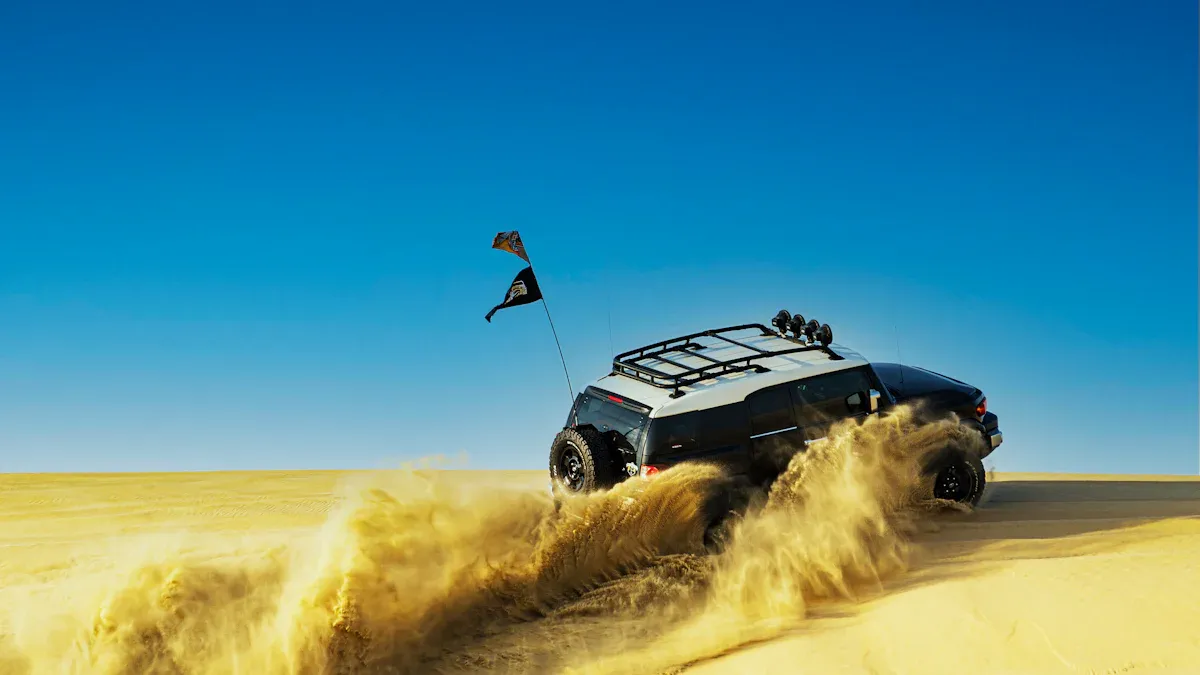
Key Factors to Consider When Choosing Cars for Desert
Engine power & cooling system
When you drive in the desert, engine power matters. You want an suv with enough power to push through soft sand and climb rocky hills. Four wheel drive vehicles with strong engines handle tough terrain better. Cooling systems are just as important. The desert heat can push engines to their limits. Advanced cooling keeps your suv running smoothly, even when temperatures soar. If your cooling system fails, you risk getting stranded. Always check your coolant levels before heading out. Four-wheel-drive suvs with reliable cooling systems offer better off-road performance and durability.
Suspension and ground clearance
Suspension and ground-clearance make a huge difference in desert driving. A good suspension system absorbs bumps and keeps your ride comfortable. Advanced suspension systems respond to road conditions in real time, adjust for optimal performance, and reduce vibration. You get less bouncing and more control. For desert terrain, a minimum ground clearance of 10 inches helps avoid belly drag on dunes and rocks. Off-road-focused suvs with high ground clearance and strong suspension offer better durability and off-road capability.
Tip: Improved shock absorption means a smoother ride and safer handling, even when the terrain gets rough.
4×4 capability
Four wheel drive is a must for desert adventures. There are two main types: part-time and full-time four-wheel-drive. Here’s a quick look:
| Feature | Part-Time 4WD | Full-Time 4WD |
|---|---|---|
| Wheel Engagement | Engages only when needed | All wheels receive traction all the time |
| Usage | Designed for extreme conditions | Suitable for various driving conditions |
| Differential Locking | Often allows locking for extra traction | Typically does not have locking feature |
A high clearance 4×4 suv improves recovery rates if you get stuck in sand. The transfer-case and transfer case features help split power for better off-road capability. Four wheel drive systems are key for off-road performance and durability.
Tire durability
Tires take a beating in the desert. You need all-terrain tires for mixed driving and mud-terrain tires for extreme off-roading. Top picks include Mickey Thompson Baja Boss A/T, Falken Wildpeak A/T3W, Nitto Terra Grappler G3, and Hankook Dynapro XT (RC10). Larger tires (33-35 inches) boost ground clearance and help you float over soft sand. Lowering tire pressure (12-18 PSI) increases grip, while higher pressure (35+ PSI) works for hard-packed trails. Four wheel drive suvs with durable tires handle off-road terrain and offer better performance.
Top 10 Best Cars for Desert Driving in 2026
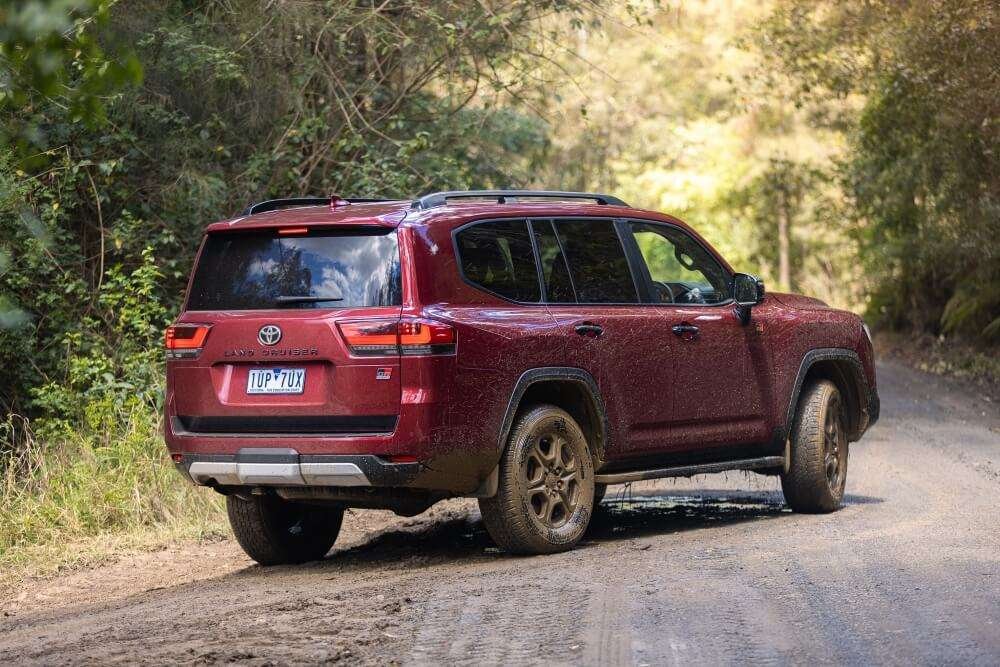
1. Toyota Land Cruiser 300
If you want a real off-road legend, the Toyota Land Cruiser 300 stands out among cars for desert. It has four wheel drive and impressive ground-clearance, making it easy to cross dunes and rocky terrain. You get a comfortable ride with modern features.
- Advantages:
- Exceptional off-road capability in sand.
- Smooth driving and advanced comfort.
- Reliable four-wheel-drive system.
- Disadvantages:
- High price for most models.
- Fuel economy averages 21 mpg.
- Large size can make parking tough.
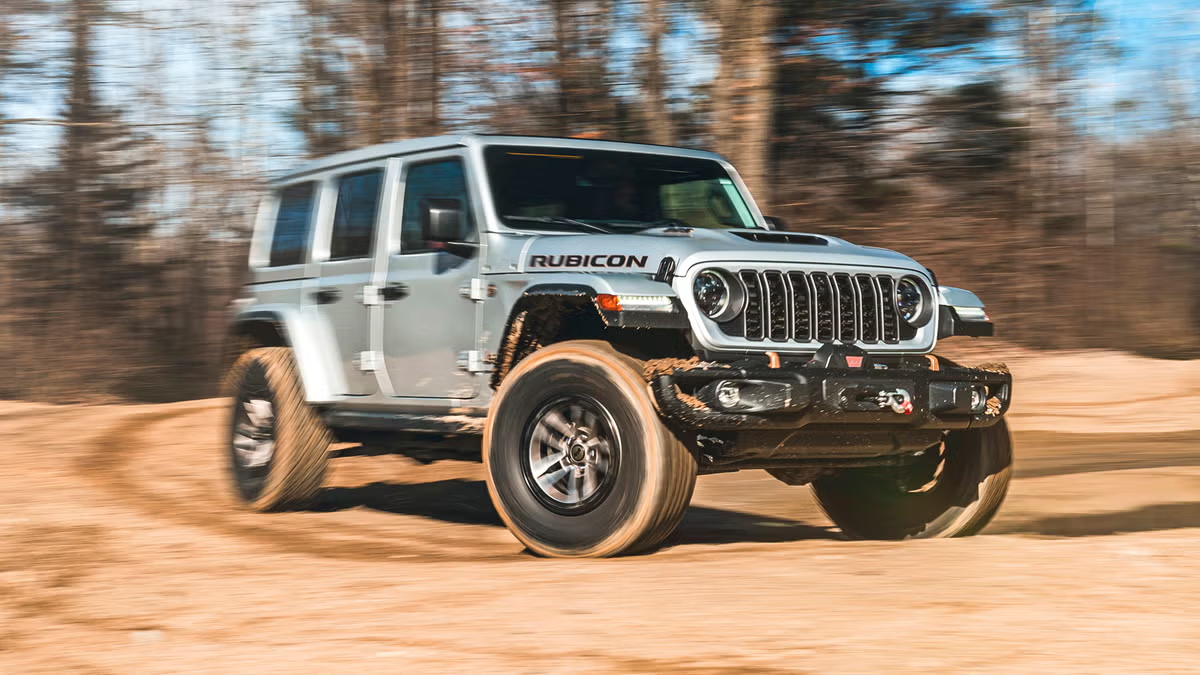
2. Jeep Wrangler Rubicon
The Jeep Wrangler Rubicon is a trail-ready version built for real off-road adventures. Its four wheel drive and 4×4 system help you tackle sand, rocks, and steep hills. The transfer-case lets you crawl over tough spots.
You get durability and a classic design, but the ride can feel bumpy on paved roads.
3. Ford F-150 Raptor
This pickup is all about power and performance. The Ford F-150 Raptor uses four wheel drive and a strong suspension for real off-road fun. It handles desert terrain with ease, especially at higher speeds.
Fuel economy is not great, but the pickup’s trail-ready hardware makes up for it.
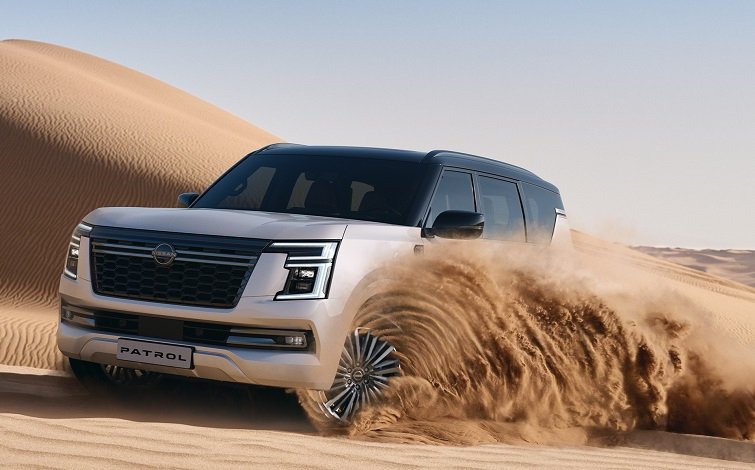
4. Nissan Patrol
Nissan Patrol is a full-size suv known for durability and reliability in extreme heat.
- Highly regarded for long-term durability.
- Mechanical parts are easy to repair locally.
- Preferred by off-roading fans in harsh climates.
- Downsides include poor fuel economy and older interior materials.
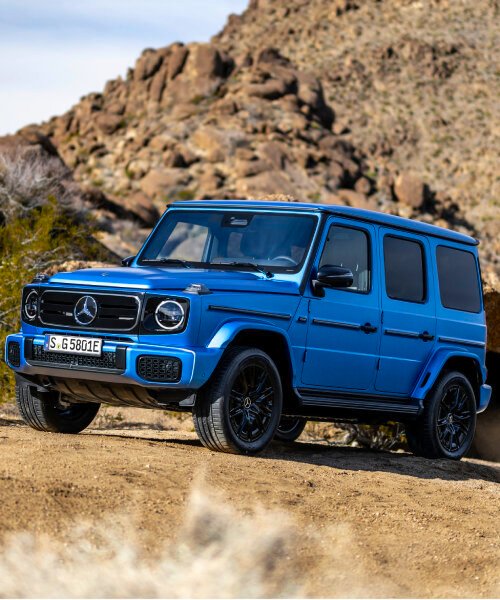
5. Mercedes-Benz G-Class
The G-Class is a full-size suv with real off-road capability.
- Meticulously engineered for almost any terrain.
- Quad-motor all-wheel drive and G-Turn for advanced maneuvers.
- Combines luxury with off-road toughness.
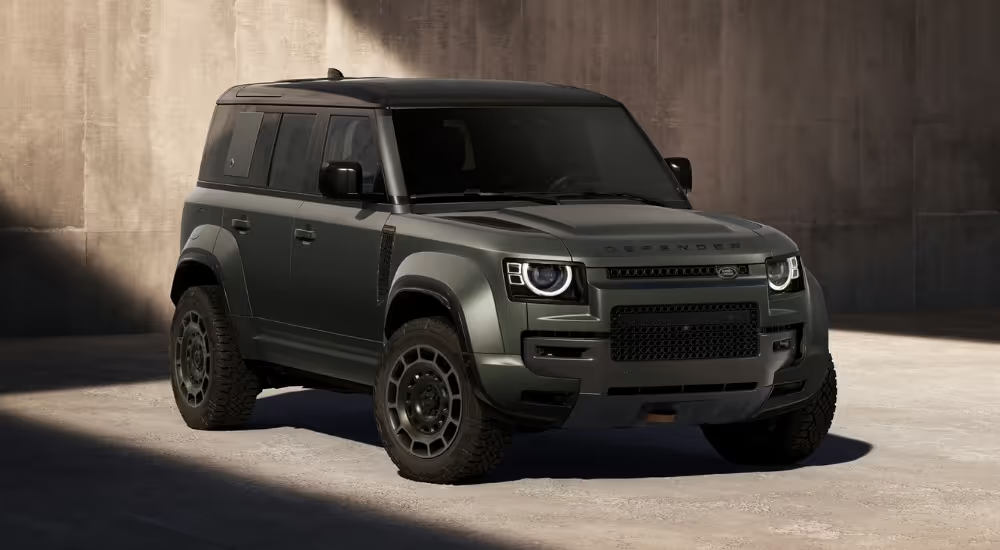
6. Land Rover Defender
The Land Rover Defender 130 shines in sand dunes with sand driving mode, adaptive suspension, and a strong 4×4 system. It tackles soft sand and steep slopes, though you may need to adjust your driving style.
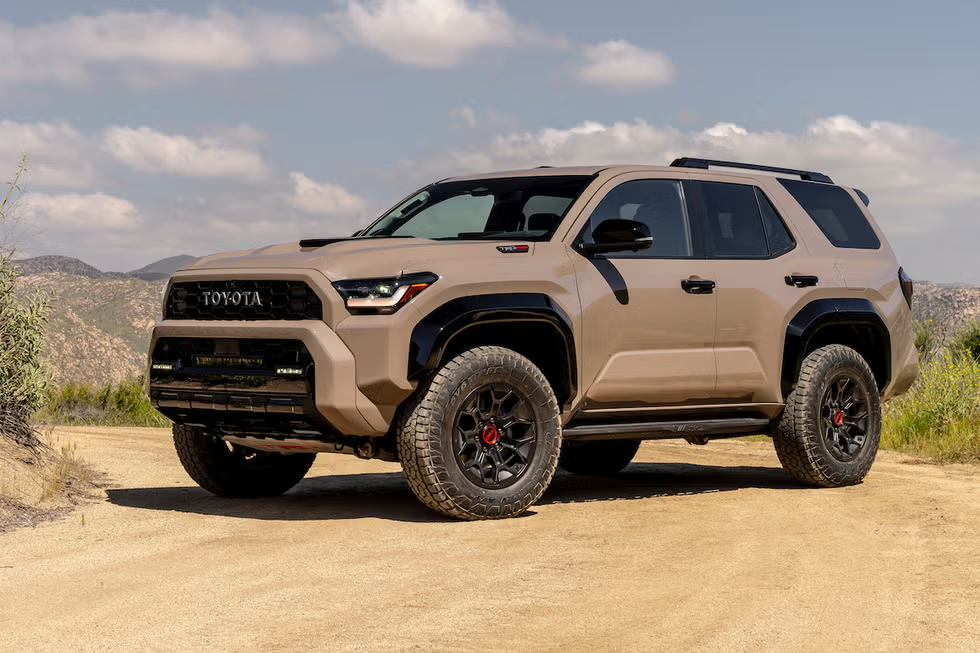
7. Toyota 4Runner TRD Pro
This suv is built for desert adventures.
- Part-time four wheel drive for loose surfaces.
- Locking rear differential and active traction control.
- Crawl control and Multi-Terrain Select for tough terrain.
- TRD-tuned FOX shocks and Nitto Terra Grappler tires boost durability.
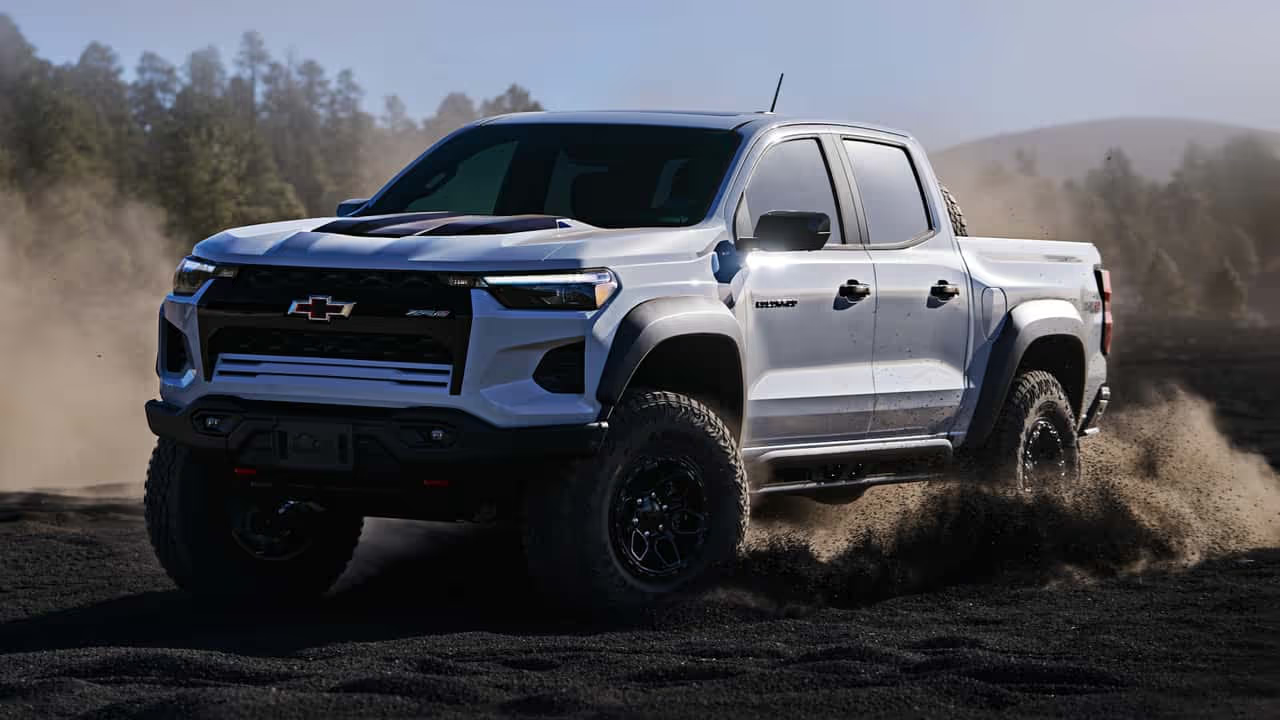
8. Chevrolet Colorado ZR2
The Colorado ZR2 pickup offers multiple driving modes, including Baja for desert running.
| Feature | Description |
|---|---|
| Baja Mode | Tunes throttle and transmission for high-speed desert driving. |
| Launch Control | Optimizes performance on sand and dirt. |
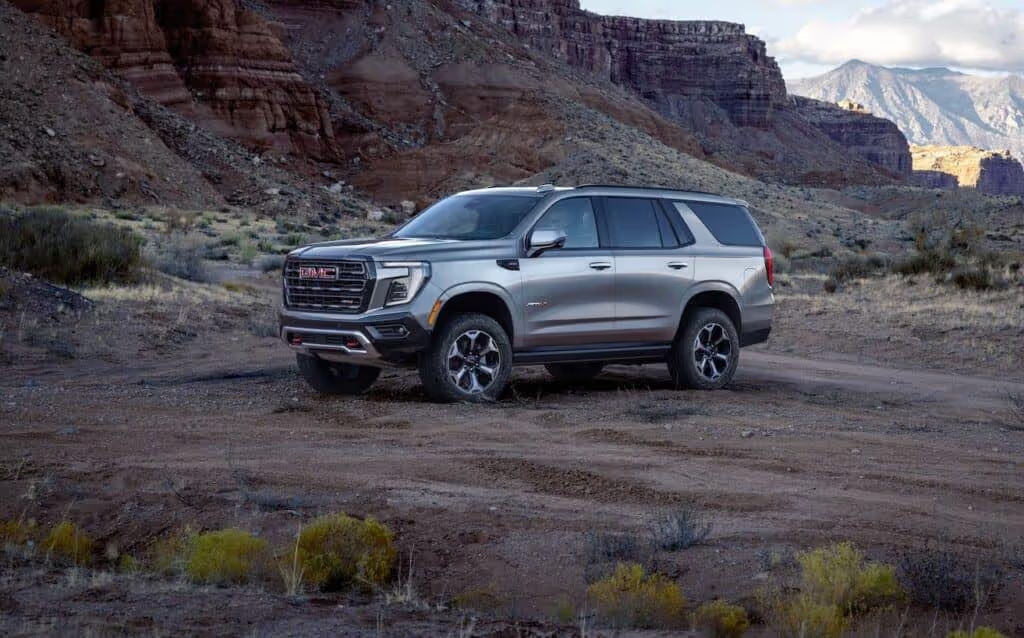
9. GMC Yukon AT4
This suv is great for families who love off-roading. It has Hill Descent Control, protective skid plates, and Magnetic Ride Control for a smooth ride.
- Horizontal Red Recovery Hooks
- All-Terrain Tires
- Two-speed transfer case
- Shock dampers for rough terrain
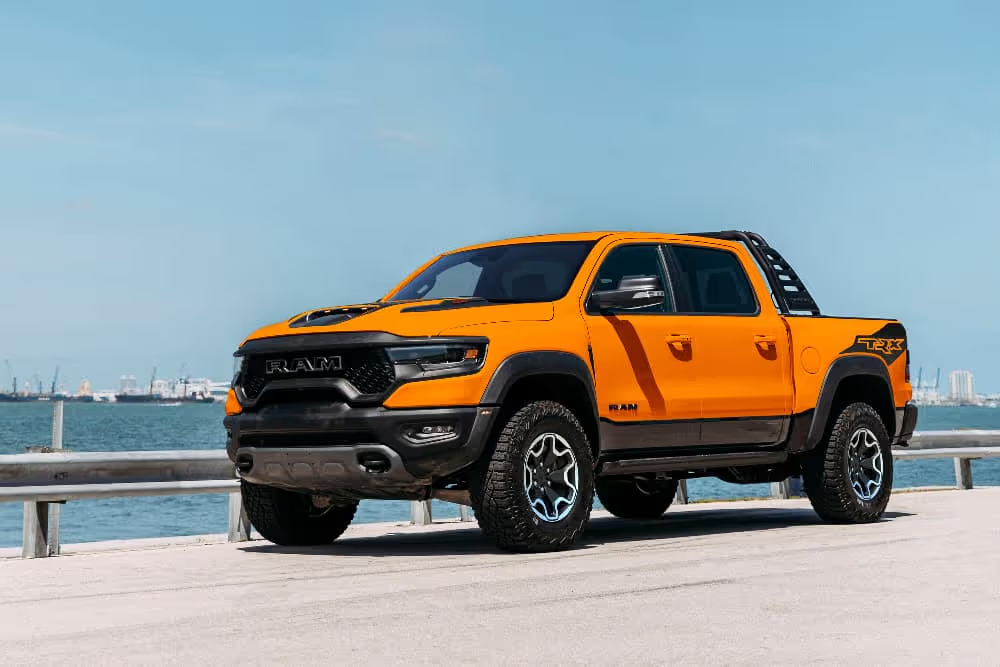
10. Ram 1500 TRX
The Ram 1500 TRX pickup is designed for desert off-road conditions.
- Adaptive Bilstein shocks soak up big bumps.
- Performs better at higher speeds.
- Stainless steel braided hoses and rock shields add durability.
- Handles rough terrain well, but extra-large desert whoops can unsettle it.
Comparison Table: Which Car Fits Your Desert Needs?
Choosing the right ride for the desert can feel overwhelming. Let’s make it simple. Here are the most important things to compare when picking your next four wheel drive adventure machine:
- Payload (how much weight your suv or pickup can carry)
- Fuel economy (how far you can go before you need gas)
- Power output (how strong the engine is for off-road climbs)
- Size and footprint (how easy it is to handle in tight spots)
- Drivability (how it feels on and off the road)
- Capability (how well it handles sand, rocks, and dunes)
- Reliability (how often you can count on it)
- Affordability (how much it costs to buy and maintain)
Now, check out this table to see how the top 10 four wheel drive vehicles stack up for desert driving. You’ll spot some familiar names, whether you want a tough suv or a powerful pickup. This chart focuses on payload, fuel efficiency, and ground clearance—three specs that matter most for off-road performance.
| Vehicle Model | Payload Capacity | Fuel Efficiency | Ground Clearance |
|---|---|---|---|
| Toyota Land Cruiser 300 | 1,600 lb | 21 mpg | 9.0 in |
| Jeep Wrangler Rubicon | 1,050 lb | 20 mpg | 10.8 in |
| Ford F-150 Raptor | 1,400 lb | 15 mpg | 11.5 in |
| Nissan Patrol | 1,600 lb | 15 mpg | 10.7 in |
| Mercedes-Benz G-Class | 1,550 lb | 14 mpg | 9.5 in |
| Land Rover Defender | 1,700 lb | 18 mpg | 11.5 in |
| Toyota 4Runner TRD Pro | 1,625 lb | 17 mpg | 9.6 in |
| Chevrolet Colorado ZR2 | 1,350 lb | 17 mpg | 10.0 in |
| GMC Yukon AT4 | 1,650 lb | 16 mpg | 8.0 in |
| Ram 1500 TRX | 1,310 lb | 12 mpg | 11.8 in |
Tip: If you want the best off-road performance, look for a four wheel drive suv or pickup with high ground clearance and a strong four-wheel-drive system. These features help you avoid getting stuck and keep your adventure going.
Tips for Maintaining Your Cars in Desert Conditions
Driving a four wheel drive vehicle in the desert is an adventure, but the harsh environment can take a toll on your suv or pickup. Sand, heat, and dust all work together to challenge your four wheel drive’s performance. Here are some simple tips to keep your off-road machine running strong:
- Change your oil often. Desert heat and dust can break down oil faster than you think. Fresh oil keeps your four wheel drive engine cool and smooth.
- Check your air filters every 5,000 to 8,000 kilometers. In sandy areas, air filters clog up quickly. Replace them more often, especially after a sandstorm. Clean air filters help your four wheel drive breathe and boost performance.
- Inspect your cooling system before every trip. Look at coolant levels and check for leaks. A healthy cooling system keeps your four wheel drive from overheating in the sun.
- Keep an eye on your tires. Off-road driving in the desert can wear out tires fast. Check for cuts, low pressure, or uneven wear. Good tires mean better grip and safer four wheel drive adventures.
- Test your battery. Heat can drain battery life. Make sure connections are tight and free of corrosion.
- Don’t forget your air conditioner. Annual maintenance keeps you cool and protects your four wheel drive’s electronics.
- Protect your suv’s paint and interior. Wax the exterior, use sunshades, and apply UV protectant to stop sun damage.
Tip: After every off-road trip, rinse your four wheel drive undercarriage to remove sand and dust. This helps prevent rust and keeps your four-wheel-drive system working well.
Regular maintenance is the secret to long-lasting four wheel drive performance. Whether you drive a big suv or a tough pickup, these steps will help you enjoy every off-road journey. Take care of your four wheel drive, and it will take care of you in the desert.
Conclusion: Choosing the Best Cars for Desert 2026

Finding the right desert-ready vehicle in 2026 comes down to understanding your driving needs, terrain challenges, and comfort expectations. Whether you prioritize raw power, advanced off-road technology, or long-distance reliability, the models highlighted in this article offer proven performance in extreme heat, deep sand, and rugged landscapes.
As you evaluate your options, consider how each vehicle matches your lifestyle—daily driving, weekend adventures, or full-scale expeditions. A dependable desert car isn’t just about strength; it’s also about long-term durability, safety, and service support.
For drivers seeking trusted guidance and high-quality vehicle export solutions, Canado Export provides access to many of the industry’s best desert-tested models. With professional sourcing and global expertise, Canado Export helps you get the right vehicle—ready for wherever the desert takes you.
Choosing the best desert car in 2026 is ultimately about confidence. With the right model—and the right partner—you’re prepared for every challenge the desert road brings.
FAQ
What makes a car good for desert driving?
A car needs four-wheel drive, high ground clearance, and a strong cooling system. These features help you drive over sand and rocks and keep your engine cool in hot weather.
Can I use regular tires in the desert?
Regular tires wear out fast in the desert. All-terrain or mud-terrain tires work better. They grip sand and rocks and last longer. Lowering tire pressure helps too.
Is it safe to drive alone in the desert?
It’s risky to drive alone. Always tell someone your route. Pack water, food, and emergency gear. A buddy can help if you get stuck.
How often should I check my cars for desert conditions?
Check your car before every trip. Look at oil, coolant, tires, and air filters. After driving, rinse off sand and inspect for damage.
Which desert car is best for families?
The GMC Yukon AT4 is roomy and comfortable. It handles rough trails and has safety features for kids. Families like its space and smooth ride.
 News
News
5 Best Websites to Buy Chinese Car Spare Parts in Russia
Looking for reliable chinese car spare parts in Russia? With more drivers choosing brands like Chery, Geely, and Haval, buying spare parts online has become the easiest way to save time and money. Here are the 5 best websites to buy chinese car spare parts in Russia, trusted by car owners for quality, price, and fast delivery.
Key Takeaways
- Canado Export is the top choice for reliable Chinese car spare parts in Russia, offering direct sourcing and fast shipping.
- Alibaba provides a massive selection of auto parts with buyer protection, but be cautious of potential shipment delays and quality discrepancies.
- Made in China connects buyers with a wide variety of parts, but expect longer delivery times; always confirm shipping options with suppliers.
Top 5 Chinese Car Parts Websites in Russia
1. The Best Choice: Canado Export
If you want a reliable supplier for chinese car spare parts in Russia, Canado Export stands out. This company has built a strong reputation among top truck parts suppliers in russia. You get access to a wide range of chinese car parts, including hard-to-find items for both passenger cars and trucks. Canado Export works directly with car parts manufacturers in china, so you can expect authentic products and competitive prices.
Key Features:
- Direct sourcing from china auto parts manufacturers
- Fast shipping to Russia, even for bulk orders
- Dedicated Russian-speaking support team
Pros:
- High quality control standards
- Large selection of auto parts from china
- Responsive customer service
Cons:
- Minimum order quantities may apply
- Website interface can feel outdated
Tip: Always ask for a product certificate to confirm authenticity before you buy. This helps you avoid counterfeit chinese parts.
2. The Most Popular Choice: Alibaba
Alibaba is probably the first name you think of when searching for chinese car spare parts or auto parts from china. As one of the largest china auto parts wholesale suppliers, Alibaba connects you with thousands of chinese automotive suppliers and manufacturers. You can find everything from auto body parts china to specialized truck components.
Key Features:
- Massive selection of china parts and chinese auto parts
- Multiple payment options, including secure escrow
- Buyer protection policies
Shipping Options to Russia:
| Route | Port of Loading (China) | Port of Discharge (Russia) | Estimated Transit Time |
|---|---|---|---|
| China → Vladivostok (Direct) | Shanghai / Qingdao / Dalian | Vladivostok | 3 – 7 days |
| China → St. Petersburg (via Europe) | Shenzhen / Ningbo / Xiamen | St. Petersburg | 35 – 45 days |
| China → Novorossiysk (via Suez Canal) | Guangzhou / Fuzhou / Tianjin | Novorossiysk | 30 – 40 days |
| China → Moscow (via Vladivostok + Rail) | Shanghai / Ningbo | Moscow | 18 – 25 days |
Pros:
- Huge variety of china car parts suppliers
- Easy to compare prices and quality
- Good buyer protection for most transactions
Cons:
- Shipment delays are common, which can increase costs
- Quality discrepancies between samples and bulk orders
- Unexpected customs fees may appear after purchase
Common Buyer Concerns:
- Shipment delays (sometimes leading to higher shipping costs)
- Quality issues (bulk orders may not match samples)
- Extra customs payments after ordering
Tip: Always check seller ratings and reviews before you order alibaba auto parts. Ask for detailed photos and written guarantees about quality.
3. The Choice with Variety: Made in China
Made in China has become a go-to platform for russian buyers who want more variety in chinese car spare parts. The platform connects you with china auto parts suppliers offering everything from basic replacement parts to high-tech components. Since 2022, the variety of chinese car parts available to russia has grown, thanks to stronger trade ties and increased demand.
Why Choose Made in China?
- Access to thousands of china automotive parts manufacturers
- Many innovative and affordable options
- Growing number of russian-themed stores and products
| Aspect | Details |
|---|---|
| Trade Growth | Record two-way trade value of roughly $245 billion in 2024 between China and Russia. |
| Russian Goods Companies | Approximately 3,342 companies in China related to ‘Russian goods’ as of January 2025. |
| Consumer Interest | Chinese consumers show genuine curiosity about Russian culture and products. |
Pros:
- Unmatched product variety from china auto parts suppliers
- Competitive prices and frequent discounts
- Multiple payment and refund options
Cons:
- Delivery times can be long (average is at least 45 days)
- Express shipping now takes 7-12 days instead of 2-3 days
- Some listings may lack detailed product info
Payment and Refund Policies:
| Aspect | Details |
|---|---|
| Refund Threshold | Foreign visitors can claim tax refunds for purchases as low as 200 yuan ($27) per day at the same store. |
| Refund Rate | The refund rate for general goods is set at 11%, effectively providing a discount of over 10%. |
| Refund Process | VAT rebates can be claimed directly at departure tax refund stores, allowing real-time reuse for further shopping. |
| Expansion of Policy | The policy has been expanded to a nationwide rollout, initially implemented in major cities like Beijing and Shanghai. |
| Increase in Inbound Spending | Total spending by inbound travelers reached $94.2 billion, up 77.8% year-on-year. |
| Cash Refund Limit | The cash refund limit has been raised from 10,000 yuan to 20,000 yuan. |
| Payment Methods | Refund services will be offered through multiple channels, including mobile payments and bank cards. |
Tip: If you need your chinese car parts quickly, ask the supplier about express shipping options and always confirm delivery times.
4. The Whole Spare Parts Supplier: APEC Auto
APEC Auto is a favorite among top truck parts suppliers in russia. This supplier focuses on wholesale and bulk orders, making it ideal for workshops and dealerships. You can find a full range of chinese car spare parts, from engine components to auto body parts china. APEC Auto works closely with china auto parts manufacturers to ensure quality and authenticity.
Key Features:
- Large inventory of auto parts china and chinese auto parts
- Fast order processing for russian customers
- Support for both retail and wholesale buyers
Pros:
- Reliable delivery to all regions in russia
- Consistent quality control
- Good after-sales support
Cons:
- Smaller orders may not get priority
- Website navigation can be tricky for new users
Tip: If you run a business, ask APEC Auto about bulk discounts and special deals for top truck parts suppliers in russia.
5. The Last Option: Official Brand Websites
Sometimes, you want to buy directly from the source. Official brand websites let you order genuine chinese car spare parts straight from the manufacturer. Germax Auto Parts Co., Ltd. is a well-known supplier that exports auto parts from china to East Europe, including russia. You can find parts for popular brands like Great Wall, Chery, Geely, Haval, ZXAuto, JAC, Lixiang, and MAXUS.
Pros:
- 100% authentic chinese car parts
- Direct support from the brand or authorized supplier
- Warranty and after-sales service
Cons:
- Prices may be higher than on other platforms
- Limited to specific brands
Tip: Use official sites if you need guaranteed authenticity or warranty support for your chinese car spare parts.
If you want to find the best deals, compare these top truck parts suppliers in russia. Each supplier offers something unique, whether it’s fast shipping, a huge selection, or direct-from-factory quality. Always check reviews, confirm shipping times, and ask about return policies before you buy any chinese car spare parts.
How to Choose a Chinese Car Spare Parts Supplier

Assessing Your Car or Truck Parts Needs
You want to buy replacement truck parts or chinese car parts in russia. Start by listing the exact parts you need. Check the compatibility with your vehicle model. If you run a workshop or need high-quality truck parts, look for a truck parts supplier in russia that offers a wide range of china car parts. Reliable suppliers often provide detailed catalogs and help you find high-quality auto parts for both cars and trucks.
- Make a checklist of required parts.
- Confirm part numbers and specifications.
- Ask about availability before you order.
Comparing Delivery and Shipping in Russia
Shipping matters when you buy auto parts from china. Reliable delivery keeps your business running smoothly. Compare shipping times and costs from different china auto parts suppliers. Some truck parts supplier in russia offer express shipping, while others use rail or road transport. Here’s a quick look at average shipping costs and delivery times:
Tip: Always ask your supplier about tracking options and insurance for your shipment.
Payment Methods and Security
You want secure payment when you buy replacement truck parts or chinese auto parts. Many truck parts supplier in russia accept payments through invoicing, Alibaba International, or third-country agents. Some russian bank branches in china offer RMB transactions, but not all china auto parts manufacturers accept them.
| Payment Method | Description | Fees/Notes |
|---|---|---|
| Payment Through Invoicing | Allows payment in RMB with a fee of 10-13%. | Additional charge applies. |
| Payments via Alibaba International | Accepts certain Russian currencies through Alibaba’s special channels. | Developed to assist Russian businesses. |
| Third-Country Payment Agents | Uses intermediary countries to process payments to China. | Increasingly popular among companies. |
| Russian Bank Branches in China | Involves a 5% surcharge for RMB transactions. | Not widely accepted by Chinese companies. |
Note: Choose payment methods with buyer protection and clear refund policies.
Authenticity and Warranty of Chinese Car Parts
You want quality truck parts and reliable chinese parts. Always check for certifications like ISO9001 or IATF 16949 from your supplier. Ask for product samples and inspect them before you buy. Genuine auto parts china come with warranties and support. Reliable truck parts supplier in russia will provide documents proving authenticity.
- Request certificates and warranty details.
- Inspect samples for quality.
- Confirm return and refund policies.
Evaluating Customer Service
Good customer service makes your buying experience easier. Reliable suppliers answer questions quickly and help with issues. Look for positive reviews and a solid track record. If you need affordable truck parts supplier in russia, check how they handle complaints and returns.
| Criteria | Description |
|---|---|
| Supplier Reputation | Verify the reputation of suppliers to ensure reliability and avoid counterfeit entities. |
| Product Quality | Assess product quality through sampling checks and ensure adherence to industry standards. |
| Product Diversity | Choose manufacturers offering a variety of parts to meet diverse business needs. |
| Price | Ensure competitive pricing without compromising product quality. |
| Customer Support | Evaluate the level of customer support provided for addressing issues and concerns. |
| Delivery Time | Consider manufacturers with reliable and fast delivery systems to avoid operational disruptions. |
Tip: Reliable suppliers make it easy to buy high-quality truck parts and auto body parts china with confidence.
Conclusion: 5 Best Websites to Buy Chinese Car Spare Parts in Russia
You have plenty of choices when it comes to buying china car parts in russia. Each website offers something unique, whether you want fast delivery, a huge selection, or direct access to car parts manufacturers china. If you need chinese car parts for your business or personal use, you can find everything from auto body parts china to OEM auto parts from china.
Here’s a quick table to help you compare the top factors before you make a decision:
| Factor | What to Look For | Why It Matters |
|---|---|---|
| Quality | ISO-certified, OEM parts | Prevents breakdowns |
| Pricing | Competitive with discounts | Reduces operational costs |
| Delivery | Nationwide, fast shipping | Minimizes downtime |
| Service | 24/7 support, returns policy | Builds trust |
| Product Range | Comprehensive catalog | Convenience |
FAQ
Can I buy truck parts from all these websites?
You can buy truck parts from every site listed. Each supplier offers truck parts, including auto parts from china and chinese truck parts for different models.
Tip: Always check if the truck part matches your truck model before you order.
How do I know if the truck parts are genuine?
You should ask for certificates from truck parts suppliers. Genuine truck parts often come with warranties. Trusted china car parts suppliers and car parts manufacturers china provide proof for truck parts.
- Request product certificates for truck parts.
- Ask about warranty for truck parts.
- Read reviews about truck parts from other truck owners.
What shipping options are available for truck parts in Russia?
You can choose express shipping, rail, or sea for truck parts. Alibaba auto parts and other china auto parts suppliers offer different delivery speeds for truck parts.
Note: Fast shipping for truck parts may cost more. Always compare delivery times for truck parts from each supplier.
 News
News
New China EV Export License Policy – What Overseas Buyers Should Know
China’s electric vehicle (EV) industry has been on a meteoric rise — exporting hundreds of thousands of cars each year to Europe, Southeast Asia, the Middle East, and beyond. But starting January 1, 2026, the landscape is set to change dramatically. The Chinese government has introduced a new China export license policy that will reshape how EVs leave the country’s ports.
For overseas buyers, this isn’t just another bureaucratic update — it’s a major shift that could affect supply chains, delivery timelines, and supplier qualifications. Understanding the new rules is essential for anyone sourcing EVs or components from China. In this article, we’ll break down what the new EV export license regulation means, why it’s being implemented, and how importers can prepare to stay compliant — and competitive — in the new era of global EV trade.
Policy Overview and Effective Date
Policy Introduction and Timeline
You need to understand the timeline for the new export license requirements. The government in china announced the electric vehicle export license management policy on September 26, 2025. This announcement marked the start of major changes for overseas buyers. The regulations will officially take effect on January 1, 2026. From this date, exporters must hold a valid license to ship pure electric vehicles out of china.
Here is a quick look at the key milestones:
- Announcement Date: September 26, 2025 – The government introduced the new export license policy.
- Effective Date: January 1, 2026 – Exporters must comply with the new regulations and obtain licenses for electric vehicles.
Note: You should plan your purchases and shipments around these dates to avoid any disruptions.
Who Can Apply for Export Licenses
You must check if your supplier qualifies to apply for an export license. Only companies registered in china and approved by the relevant authorities can submit applications. These companies must meet strict standards set by the government. The process includes a review of business qualifications and compliance with safety and environmental regulations.
If you work with a supplier, ask them about their registration status and experience with export procedures. Reliable suppliers will provide proof of their eligibility and keep you updated on their license application progress. This step helps you avoid delays and ensures your electric vehicles meet all requirements before shipping.
Export License Requirements for Electric Vehicles
Vehicle Criteria and HS Codes
You need to check the specific criteria before you start the export process for electric vehicles. China sets clear rules for which vehicles qualify for export permits. Customs officials use HS codes to identify products. The main HS code for electric vehicle exports is 8703801090. This code covers other motor vehicles for the transport of persons, equipped only with an electric motor.
Here is a table that shows the main criteria:
| Criteria/Requirement | Details |
|---|---|
| Vehicle Type | Other motor vehicles for the transport of persons, equipped only with an electric motor |
| HS Code | 8703801090 |
| Export License Basis | Notice on Further Regulating the Export Order of Automobile and Motorcycle Products |
| Customs Inspection | Based on the Catalog of Import and Export Commodities Subject to Compulsory Inspection |
You must confirm that your EV matches these criteria. If you use the wrong HS code, customs may delay your shipment. The china ev export license policy requires strict compliance with these standards. You should ask your supplier to provide the correct classification for your vehicle exports.
Required Documentation
You need to prepare several documents for export licences. Missing or incorrect paperwork can cause delays. You should collect the following items before you start the application:
- Business registration certificate of your supplier in China
- Proof of compliance with safety and environmental standards
- Technical specifications of the electric vehicles
- End-use and end-user statements
- Export contract and invoice
- Customs declaration forms
Many buyers make mistakes during this step. You can avoid common errors by checking the table below:
| Mistake | Description | How to Avoid |
|---|---|---|
| Improper Export Classification | Misclassifying items due to lack of understanding of export controls | Ensure your team understands technical parameters and use export compliance software for accurate classification |
| Poorly Compiled End-Use Information | Inaccurate end-use documentation leading to approval delays | Complete all end-use statements and perform due diligence on all parties involved |
| Incomplete Application Information | Submitting applications with missing or incorrect information | Create a structured plan and use application management software to ensure completeness |
| Failure to Track Application Status | Missing important updates due to lack of tracking | Use tools with tracking features to monitor application status |
| Not Submitting Electronically | Paper applications are slower and prone to errors | Utilize electronic submission capabilities to streamline the process |
📝 Tip: Always double-check your documents before submitting them. Electronic submission speeds up the process and reduces errors.
Application Process
You do not need to apply for export licences yourself if you are an overseas buyer. Your supplier in China handles the application for export permits. You should understand the steps so you can track progress and avoid delays.
- Your supplier applies for an export license through the official government portal.
- The supplier submits all required documents, including business registration and technical details of the EV.
- Customs officials review the application and inspect the vehicles.
- Once approved, the supplier receives the export license and pays any export clearance fees.
- You may need to pay export clearance fees as part of your purchase agreement.
China will start enforcing these new export licence requirements on January 1, 2026. The policy aims to improve quality and customer confidence in electric vehicle exports. You will see mandatory customs inspections for every shipment. These steps help prevent price wars and support healthy growth in the EV market.
🚦 Note: Track your supplier’s application status and ask for updates regularly. This helps you avoid shipment delays and ensures compliance with the policy.
You should compare these requirements with those in other countries. China’s new rules focus on quality and safety. Other major EV exporting countries also require export permits and customs inspections, but China’s policy sets stricter standards to protect buyers and promote fair competition.
Impact of China EV Export License Policy
Changes for Overseas Buyers
You will notice immediate changes when you try to buy electric vehicles from China. The china ev export license policy now requires every exporter to hold a valid export license before shipping EVs abroad. This means you cannot simply place an order and expect fast delivery. You must check if your supplier has the right authorization. If your supplier does not have the license, your order may not leave China.
You will also see new steps in the purchase process. Before, you could rely on your supplier to handle most export paperwork. Now, you must ask for proof of export license before you pay. You should request the license number and verify it with official sources. This step helps you avoid problems at customs in your country.
Tip: Always ask your supplier for a copy of their export license before you sign any contract or make a payment.
The policy affects all types of electric vehicles, including passenger cars, buses, and commercial EVs. If you plan to import several units or start a business in the EV industry, you must pay close attention to these new requirements. The china ev export license policy aims to control electric vehicle exports and ensure only qualified companies can ship products overseas.
Risks and Delays
You may face new risks and delays because of this policy. If your supplier does not have the correct license, your shipment could get stuck at the port. Customs officials in China will check every export for compliance. If they find missing or incorrect documents, they will hold your electric vehicles until the issue is fixed.
Delays can also happen if many exporters rush to apply for licenses at the same time. The approval process may slow down, especially during the first months after the policy takes effect. You should prepare for longer lead times and possible changes in shipping schedules.
Here are some common risks you might encounter:
- Shipment delays: Your EVs may not leave China on time if your supplier lacks the proper export license.
- Compliance issues: Incorrect paperwork can cause customs to reject your export, leading to extra costs.
- Financial loss: If your order gets delayed or canceled, you may lose deposits or face higher storage fees.
- Market uncertainty: The new policy may affect the growth of the EV industry and change the way you plan your business.
Note: Stay in close contact with your supplier and track the status of your export license to avoid surprises.
You should also watch for updates from Chinese authorities. The policy may change as the government reviews its impact on exports and the global EV market. Staying informed will help you manage risks and keep your business moving forward.
Compliance Steps for Overseas Buyers
Verifying Supplier Authorization
You need to confirm that your supplier in China has the proper authorization for electric vehicle exports. Start by checking their business registration and foreign trade registration. Many companies use different names for production and export, so verify all parties involved. Request a copy of the business license and compare it with official sources. Reliable suppliers will share their export permits and registration details without hesitation.
To verify a Chinese company’s foreign trade registration, check both the business registration and foreign trade registration to ensure all involved companies are properly registered for their roles.
Checking Export License Status
You can use several official resources to check the export license status of your supplier. Follow these steps:
- Visit the National Enterprise Credit Information Publicity System (http://www.gsxt.gov.cn) to review company registration.
- Access the local Administration for Market Regulation website for more details.
- Use third-party platforms like Qichacha or Tianyancha for business information.
- Ask business partners or professional services for verification.
- Request official documents directly from the supplier and confirm them with government sources.
- Verify all companies involved in the export process.
- Confirm that each company has the correct registrations for their roles.
Customs and Import Process
You must prepare for customs and import procedures under the china ev export license policy. Exporters need to be listed in the Ministry of Industry and Information Technology’s vehicle catalog and hold valid CCC certifications. They must maintain after-sales service capabilities that match their export scale. Common challenges include document discrepancies, incorrect duty calculations, inspection delays, and battery safety documentation. Timely clearance helps you avoid storage fees and ensures your EV shipment arrives as planned.
| Compliance Challenge | Description |
|---|---|
| Document Discrepancies | Differences between documents may lead to extra verification. |
| Incorrect Duty Calculations | Misclassification can result in higher tariffs. |
| Inspection Delays | Customs inspections can affect pickup schedules. |
| Storage Fees | Daily fees apply after the free storage period. |
| Battery Safety Documentation | Safety regulations for EV batteries must be met. |
Challenges and Future Outlook in China’s EV Exports
Supply Chain and Market Impact
You will see big changes in the supply chain as the new export license policy takes effect in China. Automakers must meet stricter standards for export permits, which raises the bar for quality and aftersales service. Fewer companies will qualify to export, so you may notice a smaller selection of EV models and brands. This shift can limit your choices and reduce variety in the international market.
“The new export licensing system for electric vehicles (EVs) effective January 1, 2026, is aimed at curbing destructive price competition and safeguarding the global reputation of Chinese brands. This policy could reshape global EV supply chains and influence pricing dynamics worldwide.”
You should expect higher costs for imports and end customers. The policy increases compliance requirements, which can slow down growth in the EV industry. Many buyers will need to adjust their business plans to match the new export rules. You may see fewer suppliers and more stable prices, but you must prepare for possible delays and extra fees.
- Stricter compliance for automakers leads to higher standards for aftersales and regulations.
- Anticipated higher costs for importers and end customers.
- A reduced number of suppliers results in fewer choices and limited variety for international buyers.
Staying Updated on Policy Changes
You need to stay informed about updates to export permits and regulations. The EV industry in China moves quickly, and new rules can affect your business growth. You should check official government websites and trusted business platforms for the latest news on exports. Only automakers and their authorized companies can apply for export licenses, so watch for changes in eligibility.
- China’s new export license policy for electric vehicles will start in 2026.
- The policy aims to regulate overseas sales and curb unregulated trading.
- Only automakers and their authorized companies will be allowed to apply for export licenses.
- The article discusses the implications of these regulations and the context surrounding them.
You can join industry groups or subscribe to newsletters for regular updates. Staying alert helps you avoid surprises and keeps your import process smooth.
You face new compliance steps when importing EVs from China. The export permit system increases regulatory checks and quality assurance. To succeed, use clear communication, prepare your data, and build rapport with suppliers.
| Strategy | Description |
|---|---|
| Prepare your data for negotiation | Show expertise and fairness during discussions. |
| Build a good rapport | Respect supplier culture and foster strong relationships. |
Stay alert for policy updates to keep your import process smooth.
FAQ
What should you do if your supplier does not have an export license?
Ask your supplier to apply for the license. If they cannot, choose another supplier with proper authorization to avoid shipment delays.
Can you apply for an export license as an overseas buyer?
You cannot apply for the license yourself. Only registered Chinese companies can submit export license applications for electric vehicles.
How can you check if your supplier’s export license is valid?
- Request a copy of the license.
- Verify the details using official Chinese government websites or trusted business information platforms.